Best Herbal Cholesterol Treatment: Discover the Power of Kedi Cordy Royal Jelly Capsules
Best herbal cholesterol treatment: Cholesterol is a flexible, fat-like substance found in every body cell, essential for producing hormones, vitamin D, and substances that aid digestion. However, when cholesterol levels become too high, it can contribute to the development of heart disease and stroke. Excess cholesterol can deposit in the arteries, forming plaque that narrows and hardens them, restricting blood flow.
Causes and Symptoms of High Cholesterol
High cholesterol levels are influenced by multiple factors, which can be categorized as either genetic or lifestyle-related. Recognizing these causes and the risks involved can be vital for proactive management of cholesterol levels.
Fundamental Causes of High Cholesterol
Genetics: Family history contributes to high cholesterol levels. Some people inherit conditions where the body naturally produces excess cholesterol. This genetic predisposition can make it harder to maintain healthy cholesterol levels despite lifestyle changes.
Unhealthy Diet: A diet high in trans fats (commonly found in red meats, fried foods, and processed snacks) raises low-density lipoprotein (LDL) cholesterol, known as the "bad" cholesterol. Excessive sugar intake can also increase triglyceride levels, another form of fat in the blood that can impact cholesterol.
Sedentary Lifestyle: No physical activity contributes to high cholesterol by reducing the body's ability to produce high-density lipoprotein (HDL) cholesterol, the "good" cholesterol that helps clear LDL from the bloodstream. Inactive habits combined with poor dietary choices compound the risk of high cholesterol.
Obesity and Excess Weight: Excess weight, especially around the abdomen, increases the risk of high cholesterol levels. Being overweight tends to elevate LDL and triglyceride levels while decreasing HDL cholesterol, creating an imbalance that raises cardiovascular risk.
Medical Conditions: Certain health issues, including diabetes, hypothyroidism, and kidney or liver disease, can interfere with the body's ability to metabolize cholesterol effectively. People with diabetes often experience higher LDL levels due to elevated blood sugar, which can damage the blood vessel walls and increase plaque buildup.
Age and Gender: As individuals age, cholesterol levels often rise due to decreased liver function, which makes it harder to eliminate LDL cholesterol from the bloodstream. Additionally, postmenopausal women are more prone to high cholesterol as hormonal shifts impact lipid levels.
Smoking and Excessive Alcohol Consumption: Smoking cigarettes damages blood vessels, which can lead to higher LDL and lower HDL levels, increasing cholesterol-related risks. Excessive alcohol intake also raises cholesterol levels and blood pressure, contributing to heart disease over time.
Symptoms of High Cholesterol
High cholesterol is often termed a "silent" condition, as it typically does not present obvious symptoms. Many people may have elevated cholesterol for years without knowing, as no external signs or direct discomfort are associated. Routine blood testing is the only way to detect high cholesterol early on.
However, when high cholesterol is left unchecked, it can eventually lead to:
Chest Pain (Angina): When plaque builds up in the arteries supplying blood to the heart, it restricts blood flow, causing discomfort or pain in the chest, especially during physical exertion or stress.
Heart Attack: If a plaque ruptures or a blood clot forms in the coronary arteries, it can stop blood circulation to the heart, resulting in a heart attack.
Stroke: Plaque buildup in the arteries that lead to the brain can obstruct blood flow, leading to a stroke if the brain tissue is deprived of oxygen.
Peripheral Artery Disease (PAD): Plaque accumulation in the arteries of the limbs, particularly the legs, can lead to symptoms like leg pain, cramping, or numbness.
Importance of Regular Cholesterol Monitoring
Given the silent nature of high cholesterol, regular blood tests are essential, especially for individuals over the age of 20, those with a family history of heart disease, or those with risk factors like obesity, diabetes, or a sedentary lifestyle. Early detection and management can help prevent cholesterol-related complications and ensure a healthier heart and vascular system in the long term.
Treatment Options for Managing Cholesterol
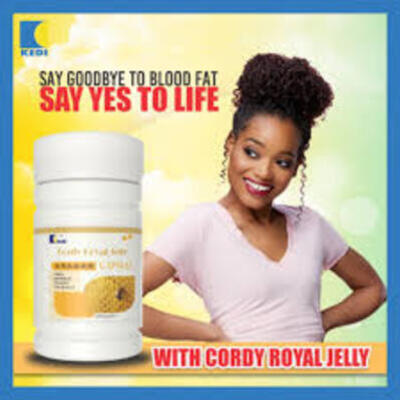
Cholesterol management is traditionally approached through dietary changes, regular exercise, and medication. While pharmaceutical options are available, they can come with adverse side effects. In contrast, herbal treatments are increasingly preferred due to their gentle and body-friendly effects. Among these options, Kedi Cordy Royal Jelly Capsules are the best herbal cholesterol treatment due to their effectiveness, safety, and natural composition.
Why Kedi Cordy Royal Jelly Capsule is the Best Herbal Cholesterol Treatment
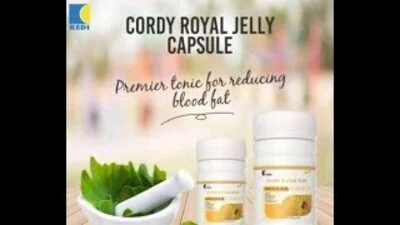
Kedi Cordy Royal Jelly Capsules is the best herbal cholesterol treatment has it harness potent, natural ingredients to manage cholesterol levels, protect the heart, and promote cardiovascular health. Here's why this herbal solution is exceptionally effective:
Body-Friendly with No Side Effects: The Cordy Royal Jelly capsule is designed for safe, long-term use with no known side effects, making it a sustainable choice for cholesterol management.
Potent Ingredients: It contains Cordyceps Sinensis. This herb is a powerful tonic known to improve vascular health, enhance blood circulation, normalize blood pressure, and strengthen the heart muscle.
Ginkgo Leaf Extract: Known for maintaining normal blood flow and oxygen levels, it supports cardiovascular health by reducing tissue damage and boosting brain function.
Royal Jelly Freezing Powder: Packed with essential nutrients, this component helps lower blood fat, protect the brain, improve sleep quality, enhance beauty, and eliminate harmful free radicals.
Health Benefits of Kedi Cordy Royal Jelly Capsules
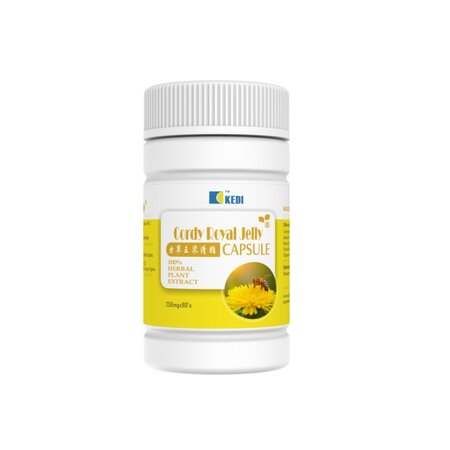
Kedi Cordy Royal Jelly offers numerous health benefits beyond cholesterol management, including:
Boosts Memory and Maintains Normal Cholesterol Levels: Regular intake promotes cognitive function while keeping cholesterol in check.
Regulates Blood Fat and Enhances Blood Circulation: Helps reduce cholesterol and triglyceride levels, improving blood flow for better cardiovascular health.
Treats Cardiovascular Disease: Acts as a preventative measure against cardiovascular issues by regulating cholesterol and supporting heart function.
Prevents Geriatric Diseases: Supports a healthy ageing process, especially beneficial for managing triglycerides and other age-related health concerns.
Real-Life Testimony: A Case of Life-Changing Results with Kedi Cordy Royal Jelly
One of my clients, from the UK, for a holiday in Nigeria, had been struggling with high cholesterol and was to be placed on long-term medication. She consulted with me, and I gave her Kedi Cordy Royal Jelly Capsules alongside lifestyle adjustments. After a month of consistent use, she returned to the UK for a follow-up test. The results showed improvement—her cholesterol levels were normal. Happy with the results, she shared her story with me and affirmed that Cordy Royal Jelly had effectively restored her health.
For those seeking the best herbal cholesterol treatment, Kedi Cordy Royal Jelly Capsules offers an ideal solution that supports cardiovascular health, body wellness, and peace of mind.
Experience the incredible health benefits of Cordy Royal Jelly today! This powerful supplement helps boost memory, maintain healthy cholesterol levels, regulate blood fat, and enhance blood circulation. It’s also highly effective for treating cardiovascular diseases and preventing age-related conditions.
To support your journey toward better health, we offer our products at special member prices, ensuring continuous savings when you open a membership account after seeing how well our supplements work. Cordy Royal Jelly is available for just N31,500 (excluding delivery).
Top Recommendations for Cardiovascular Health:
- Cardibetter – N28,500
- Cordy Royal Jelly – N31,500
Ready to invest in your health? Contact us today! Call/Text/WhatsApp/Telegram: 2348033205456 / 2348121325411, or email us for more information.
Your second block of text...
Get Practical Health & Business Growth Tips
Join the NigeriaWebSuccess newsletter for practical health, wellness, health business, SEO, digital marketing, and AI growth insights designed for Nigerians.
EDUCATIONAL Mission Statement:
Our mission is to educate and empower individuals with practical knowledge about health, wellness, healthy lifestyle choices, preventive health practices, natural wellness strategies, and health business development—while providing the digital marketing and AI knowledge needed to build, grow, and sustain successful health-related ventures.
Join 1,500+ Nigerian Health Practitioners learning how to attract more patients, build authority, and increase income online.
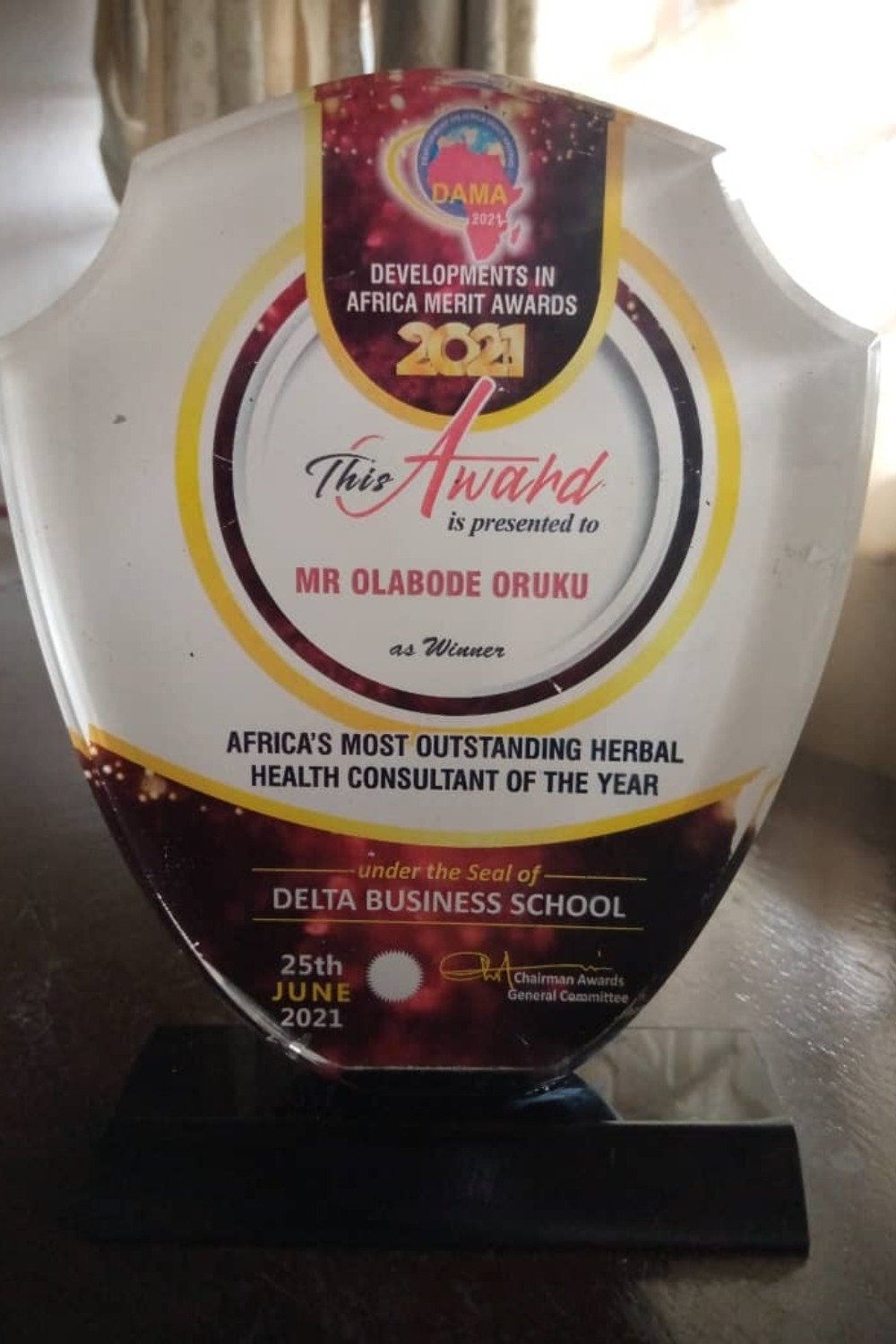
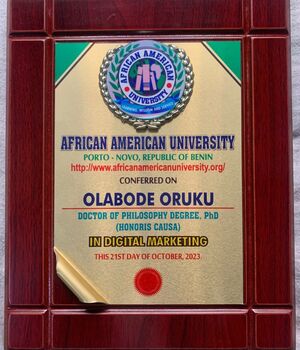
Africa's Most Outstanding Herbal Health Consultant of the Year 2021
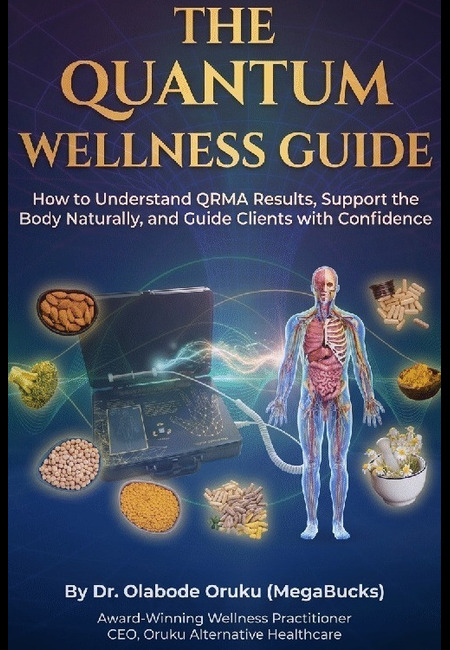

Download the FREE First Module

Kedi Product Price List From September 2023 to 2026

A Quote from Dr William Zhao (Founder and Chairman of Kedi Healthcare International)
Kedi Healthcare leads the way in the future of fulfillment, enriching lives around the globe through the safest, quickest, and most responsible approaches to poverty alleviation and sound health promotion.
Through our commitments to quality products, strong marketing strengths, constant innovation, and respect for nature, by unleashing the power of healthcare and forming a necessary axiom with a strategic partnership based on a shared set of values, we aim to exceed expectations and be rewarded with a smile.
We meet challenging goals by engaging the knowledge, talent, and passion of people who believe there is always a better way.
Your Dream + Our Team = A Powerful Synergy
Click here to Join the Business
P.S: Buy Kedi products directly from us and enjoy membership pricing, free consultations for direct customers, nationwide delivery, and ongoing WhatsApp support.