Parkinson's Disease Treatment: Causes, Symptoms, Medical Care and Lifestyle Recommendations
Parkinson's disease treatment focuses on reducing symptoms, maintaining independence, improving mobility, and helping people achieve the best possible quality of life. Parkinson's disease is a progressive neurological condition that affects movement and can also affect sleep, mood, thinking, and other body functions. Although there is currently no cure, medicines, rehabilitation, exercise, and other supportive treatments can help many people manage their symptoms and remain active.
Parkinson's disease often starts slowly, with mild symptoms at first. A tremor, usually on one side of the body, is often an early sign. However, the disease affects each person differently, and symptoms can change and progress at different rates.
What Is Parkinson's Disease?
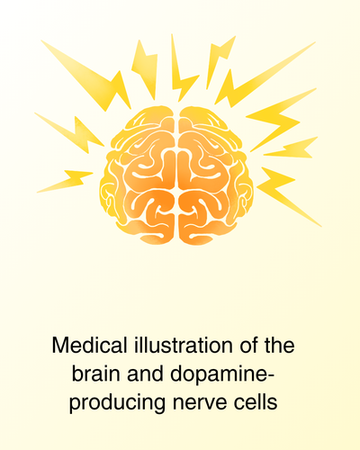
Parkinson's disease is a nervous system disorder that mainly affects movement. It happens when some nerve cells in the brain are damaged or die. Losing the cells that make dopamine leads to many of the movement problems seen in Parkinson's disease.
Dopamine is a key chemical that helps control smooth and steady movement. When the brain loses cells that make dopamine, movement can become slower, stiffer, and harder to control.
Parkinson's disease gets worse over time, so symptoms can change and become harder to manage. However, the speed and way it progresses is different for everyone. With the right medical care and rehabilitation, people can manage symptoms and keep up their daily activities.
Parkinson's Disease Symptoms
Symptoms of Parkinson's disease are different for each person. They usually start slowly and may affect one side of the body more at first.
Common movement-related symptoms include:
- Tremor or shaking, particularly when the affected body part is at rest
- Slow movement, known as bradykinesia
- Muscle stiffness or rigidity
- Difficulty walking
- Changes in posture
- Problems with balance
- Reduced arm movement while walking
- Difficulty getting up from a chair or performing everyday activities
- Changes in handwriting
- A softer or less clear voice
- Reduced facial expression
A tremor can affect the hands or fingers, but it may also show up in the feet, jaw, or other body parts. Not everyone with Parkinson's disease has a tremor.
Parkinson's disease can also cause symptoms that are not related to movement. These can include trouble sleeping, pain, constipation, mood changes, thinking problems, and changes in the senses.
What Causes Parkinson's Disease?
The exact cause of Parkinson's disease is still not fully known. Researchers think that several different factors may play a role in its development.
Loss of Dopamine-Producing Nerve Cells
A key part of Parkinson's disease is the slow loss of brain cells that make dopamine. With less dopamine, the brain has a harder time controlling movement.
Genetic Factors
Certain genetic changes are linked to Parkinson's disease. Having a close family member with the disease can raise your risk, but most cases are not directly inherited from a parent.
Environmental Factors
Researchers have looked at whether being exposed to certain chemicals in the environment might raise the risk of Parkinson's disease. The World Health Organisation says that things like pesticides and solvents may increase risk. Still, Parkinson's disease is complicated and usually has more than one cause.
Age
The chance of getting Parkinson's disease usually goes up as people get older. However, younger adults can get it too.
Parkinson's Disease Treatment and Medical Management
There is no cure for Parkinson's disease right now, but treatment can make a big difference in symptoms and quality of life. Treatment plans should be tailored to each person and managed by qualified healthcare professionals.
Medicines
Medicines can help with movement symptoms by affecting dopamine or related brain chemicals. Levodopa is one of the most common and effective treatments for Parkinson's disease. Other medicines may also be used, depending on each person's symptoms and needs.
People should not start, stop, or change Parkinson's medications without medical advice.
Surgical Treatment
For some people whose symptoms are not well controlled with medicine, procedures like deep brain stimulation may be an option. This treatment is not right for everyone and needs a specialist's assessment.
Physiotherapy and Rehabilitation
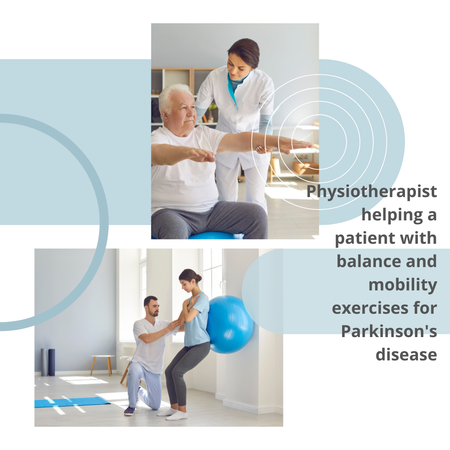
Rehabilitation is an important part of managing Parkinson's disease. Physiotherapy can help with walking, balance, strength, and movement problems.
Appropriate rehabilitation may include:
- Strength training
- Walking and gait training
- Balance exercises
- Stretching and flexibility exercises
- Functional movement training
- Fall-prevention strategies
Rehabilitation can help people move better and improve their quality of life.
Exercise and Physical Activity for Parkinson’s Disease
Staying active is important for people with Parkinson's disease. Exercise programs can include activities like aerobic exercise, strength training, stretching, and exercises to improve balance and coordination.
Examples may include:
- Walking
- Stationary cycling
- Gentle strength exercises
- Tai chi
- Yoga
- Dance
- Stretching
- Balance training
The best exercise program depends on a person's symptoms, fitness level, balance, and risk of falling. A physiotherapist or healthcare professional can help create a plan that fits each person's needs.
People with Parkinson's disease can benefit from regular exercise. Organisations focused on Parkinson's recommend including aerobic activity, strength training, balance, and flexibility exercises in a program tailored to each person.
Lifestyle Recommendations for People Living With Parkinson's Disease
Stay Physically Active
Regular movement can support mobility, strength, and overall well-being. Adjust exercise to fit each person's abilities and health needs.
Eat a Nutritious Diet
Eating a balanced diet with vegetables, fruits, beans, whole grains, and good sources of protein can help support overall health. Drinking enough fluids is also important, especially for those with constipation or other health issues.
Talk to a qualified healthcare professional about your specific dietary needs, especially if you take prescription medicines.
Protect Against Falls
Parkinson's disease can make balance and walking harder. Some practical safety tips include:
- Removing loose rugs and obstacles
- Ensuring rooms and walkways are adequately lit
- Wearing suitable footwear
- Using recommended mobility aids when necessary
- Discussing fall prevention with a healthcare professional
Prioritize Good Sleep
People with Parkinson's disease may have trouble sleeping. Keeping a regular sleep schedule and talking to a doctor about ongoing sleep problems can help.
Support Mental and Emotional Wellbeing
Living with a long-term neurological condition can affect your mood and emotions. If you feel depressed, anxious, or have other mental health concerns, talk to a healthcare professional. Support from family and support groups can also be helpful.
Keep Regular Medical Appointments
Regular check-ups help healthcare professionals keep track of symptoms, review medicines, and adjust treatment as needed. Managing Parkinson's disease often involves a team, including a doctor, neurologist, physiotherapist, and other health professionals.

Important Information About Complementary Products and Therapies for Parkinson's Disease Treatment
Some people with Parkinson's disease look into supplements, herbal products, massage, or other complementary therapies. It's important to know that these should not take the place of proper medical diagnosis or proven treatments for Parkinson's disease.
If you are thinking about using products like Cordy Royal Jelly or Golden Six, talk to your doctor or pharmacist first, especially if you take Parkinson's medicines or other prescription drugs. A healthcare professional can help check for possible interactions, safety issues, and whether a product is right for you.
Similarly, massage or wellness equipment should not be seen as a cure for Parkinson's disease. People with Parkinson's should get professional advice before trying any device or activity, especially if they have balance problems, serious mobility issues, or other health conditions.
When Should Someone See a Doctor?
See a doctor if you notice symptoms like an ongoing tremor, increased stiffness, slower movement, changes in how you walk, or balance problems that can't be explained.
These symptoms can have different causes, so it's important to get a proper medical check-up. Seeing a doctor early can help identify what's wrong and start the right treatment and rehabilitation.
Conclusion: Parkinson's disease treatment
Parkinson's disease is a long-term neurological condition that can affect movement, sleep, mood, thinking, and other parts of health. Symptoms can include tremor, slow movement, stiff muscles, trouble walking, and balance problems.
Even though there is no cure for Parkinson's disease right now, modern treatments, rehabilitation, physiotherapy, regular exercise, and practical lifestyle changes can help manage symptoms and improve quality of life.
If you have symptoms that might be Parkinson's disease, see a qualified healthcare professional for an assessment. Because Parkinson's affects everyone differently, having a treatment and rehabilitation plan tailored to you is important.
Medical Disclaimer: This information is provided for general educational purposes and is not a substitute for professional medical diagnosis, treatment, or advice. Do not use this article to diagnose or treat Parkinson's disease. Consult a qualified healthcare professional regarding symptoms, medicines, supplements, and treatment decisions.
Explore Our Wellness Products and Support Services
At NigeriaWebSuccess, we are committed to providing helpful health information and introducing wellness products and lifestyle resources that support people who want to improve their general health and well-being.
In addition to following the advice and treatment plan provided by qualified healthcare professionals, some individuals may be interested in complementary wellness approaches, nutritional products and physical wellness activities.
Our available wellness products and services include:
- Cordy Royal Jelly
- Golden Six
- Body massage and wellness support
- Blood circulation machine sessions
These products and services are intended to support general wellness and healthy lifestyle practices. They are not presented as a cure or replacement for medical diagnosis or prescribed treatment for Parkinson's disease. Want to Learn More?
Contact us to ask questions about our available wellness products and services:
📞 Call/WhatsApp: +234 803 320 5456
📞 Call/WhatsApp: +234 812 132 5411
🌐 Contact Us: Visit the NigeriaWebSuccess Contact Page
Important: Anyone experiencing symptoms associated with Parkinson's disease should seek assessment and advice from a qualified healthcare professional. Always discuss supplements, herbal products and complementary therapies with your doctor or pharmacist, especially if you are taking prescription medicines.
Get Practical Health & Business Growth Tips
Join the NigeriaWebSuccess newsletter for practical health, wellness, health business, SEO, digital marketing, and AI growth insights designed for Nigerians.
Return to Nigeriaweb Success Home Page
Return to Cardiovascular Diseases and Treatment
EDUCATIONAL Mission Statement:
Our mission is to educate and empower individuals with practical knowledge about health, wellness, healthy lifestyle choices, preventive health practices, natural wellness strategies, and health business development—while providing the digital marketing and AI knowledge needed to build, grow, and sustain successful health-related ventures.
Join 1,500+ Nigerian Health Practitioners learning how to attract more patients, build authority, and increase income online.
Africa's Most Outstanding Herbal Health Consultant of the Year 2021



Download the FREE First Module

Kedi Product Price List From September 2023 to 2026

A Quote from Dr William Zhao (Founder and Chairman of Kedi Healthcare International)
Kedi Healthcare leads the way in the future of fulfillment, enriching lives around the globe through the safest, quickest, and most responsible approaches to poverty alleviation and sound health promotion.
Through our commitments to quality products, strong marketing strengths, constant innovation, and respect for nature, by unleashing the power of healthcare and forming a necessary axiom with a strategic partnership based on a shared set of values, we aim to exceed expectations and be rewarded with a smile.
We meet challenging goals by engaging the knowledge, talent, and passion of people who believe there is always a better way.
Your Dream + Our Team = A Powerful Synergy
Click here to Join the Business
P.S: Buy Kedi products directly from us and enjoy membership pricing, free consultations for direct customers, nationwide delivery, and ongoing WhatsApp support.