Acne Treatment: Causes, Symptoms, Prevention, and Treatment Options
Acne is one of the most common skin conditions, affecting people of different ages but particularly teenagers and young adults. It can cause pimples, blackheads, whiteheads, and, in more severe cases, painful lumps and scarring.
Although acne is not usually a serious medical condition, it can affect a person's confidence and quality of life. Understanding what causes acne and how to care for acne-prone skin can help reduce breakouts and prevent complications.
If acne is persistent, severe, or leaving scars, seek professional medical advice. A dermatologist or other qualified healthcare professional can determine the type and severity of acne and recommend appropriate treatment.
What is acne?
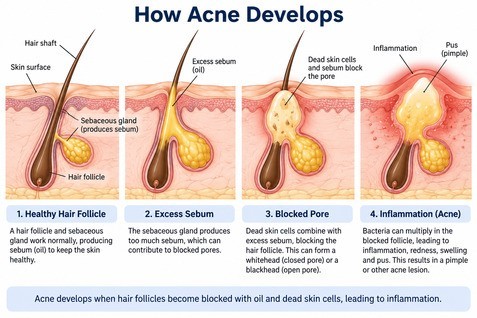
Acne is a skin condition that develops when hair follicles become blocked with oil (sebum) and dead skin cells. This blockage can create an environment where inflammation develops, resulting in different types of spots and lesions.
Acne commonly appears on the:
- Face
- Forehead
- Chest
- Back
- Shoulders
The severity of acne varies. Some people experience occasional pimples, while others develop widespread inflammatory acne that can leave permanent scars.
 Grapemin-E Tablet
What Causes Acne?
Several factors can contribute to acne. Understanding these factors is important when considering acne treatment and prevention.
Excess Oil Production
The skin naturally produces an oily substance called sebum. Excessive sebum production can block pores and contribute to acne.
Hormonal changes during puberty can increase oil production, which is one reason acne is particularly common among teenagers.
Dead Skin Cells
Skin cells are continually shed and replaced. When dead skin cells combine with excess oil, they can contribute to blocked hair follicles.
A blocked follicle may develop into a blackhead or whitehead and, with inflammation, a pimple or other acne lesion.
Hormonal Changes
Hormonal fluctuations can influence oil production and acne. Acne may become more noticeable during puberty and can also affect some women around menstruation, pregnancy, or other periods of hormonal change.
Bacteria and Inflammation
Certain bacteria normally live on the skin. When a hair follicle becomes blocked, changes within the follicle can encourage bacterial growth and inflammation.
Inflammation contributes to the redness, swelling, and tenderness associated with many types of acne.
Genetics
People with a family history of acne may be more likely to develop the condition. Genetics can influence how much oil the skin produces and how the skin responds to blocked pores and inflammation.
Certain Medicines and Other Factors
Some medicines can contribute to acne-like eruptions in certain people. Stress may also make acne worse for some individuals, although stress itself is not considered the sole cause of acne.
If you notice that your acne began after starting a medication, speak with your healthcare professional rather than stopping the medicine on your own.
Types of Acne
Acne can appear in several forms.
Blackheads
Blackheads are open, clogged pores. Their dark appearance is not simply caused by dirt; it results from changes in the material within the open pore when it comes into contact with air.
Whiteheads
Whiteheads are closed, clogged pores that remain beneath the skin's surface.
Papules
Papules are small, raised, and often red or inflamed bumps.
Pustules
Pustules are inflamed spots containing pus. They are commonly described as pimples.
Nodules and Cysts
Nodules and cysts are larger, deeper, and more painful forms of acne. Severe acne of this type carries a higher risk of permanent scarring and should be assessed by a qualified healthcare professional.
Acne Treatment Options
The appropriate acne treatment depends on the type and severity of the condition.
Mild acne may sometimes be managed with appropriate skincare and over-the-counter products. More persistent or severe acne may require prescription treatment.
Common medical acne treatments include topical medicines containing ingredients such as benzoyl peroxide or retinoids. Depending on the individual situation, healthcare professionals may also recommend other topical or oral medicines.
People with severe inflammatory acne, widespread acne, or acne that is causing scarring should seek professional medical advice.
It is also important to give an acne treatment enough time to work. Constantly changing products or applying too many products at once can irritate the skin and make the problem worse.
Gentle Skincare for Acne-Prone Skin
Good skincare can help manage acne-prone skin.
Clean the Skin Gently
Wash the affected areas gently rather than scrubbing aggressively. Excessive scrubbing can irritate the skin and potentially worsen inflammation.
Avoid Picking or Squeezing Pimples
Squeezing acne lesions can increase inflammation and may increase the risk of scarring or dark marks.
Let spots heal naturally, or follow the treatment your healthcare professional recommends.
Choose Suitable Skincare Products
People with acne-prone skin may benefit from products labeled non-comedogenic or formulated for acne-prone skin.
Avoid applying numerous harsh products simultaneously. If a skincare product causes significant irritation, discontinue it and seek appropriate advice.
Protect Your Skin From the Sun
Some acne treatments can increase sensitivity to sunlight. Sun protection can also help prevent dark marks from worsening after acne heals.
Follow your healthcare professional's advice on sun protection, especially if you are using prescription acne medication.
Lifestyle Recommendations for Acne-Prone Skin
Lifestyle alone doesn't cause or cure acne, but healthy habits can support overall skin health.
Eat a Balanced Diet
A balanced diet with vegetables, fruits, whole grains, legumes, and appropriate protein sources supports overall health.
Some research has explored links between diet and acne, but dietary responses vary. Rather than relying on a restrictive "acne diet," focus on a nutritious eating pattern and discuss significant dietary changes with a qualified healthcare professional.
Manage Stress
Stress does not directly cause acne, but some people notice their acne worsens during stressful periods.
Regular physical activity, adequate sleep, relaxation, and healthy routines can support general wellbeing.
Get Adequate Sleep
Good-quality sleep is important for overall health and wellbeing. Establishing a consistent sleep routine may also help with stress management.
Keep Hair and Skin Products Away From the Face Where Appropriate
Certain oily hair or cosmetic products may contribute to blocked pores in susceptible individuals. Choose products suited to acne-prone skin, and keep pillowcases, towels, and other items that regularly contact the face clean.
Can Natural Remedies Treat Acne?
Many natural remedies are promoted online for acne, including honey, aloe vera, papaya, avocado, cinnamon, and other household ingredients.
However, "natural" does not automatically mean safe or effective for acne. Some substances can irritate the skin, trigger allergic reactions or worsen inflammation.
For this reason, be cautious about applying food products, essential oils, or homemade mixtures directly to acne lesions.
If you want to try a complementary approach, discuss it with an appropriately qualified healthcare professional, particularly if you already use prescription acne medication.
Do not present natural or herbal products as substitutes for proven medical treatment for moderate or severe acne.
When Should You See a Doctor About Acne?
Consider seeking professional medical advice if:
- Your acne is severe or widespread.
- You have painful deep nodules or cysts.
- Acne is leaving scars or persistent dark marks.
- Over-the-counter products have not helped.
- Acne is affecting your confidence or emotional well-being.
- You are unsure whether the skin condition is actually acne.
- Acne suddenly appears or worsens significantly.
Early professional advice can be particularly valuable when there is a risk of permanent scarring.
Herbal and Complementary Wellness Products
Some people use herbal products and nutritional supplements as part of their general wellness routine.
If you are considering Kedi products or other supplements while managing acne, remember that supplements and herbal products should not replace an appropriate medical diagnosis or prescribed acne treatment.
If you take medicines, have an existing health condition, are pregnant or breastfeeding, or are considering supplements for a child or teenager, discuss their use with a qualified healthcare professional.
Looking for Herbal Support for Skin Wellness?
Discover our range of Kedi herbal products and get the added advantage of personal guidance and customer support when you purchase directly from us.
- Grapemin-E Tablets — ₦28,000: A Kedi herbal product used as part of a general wellness routine.
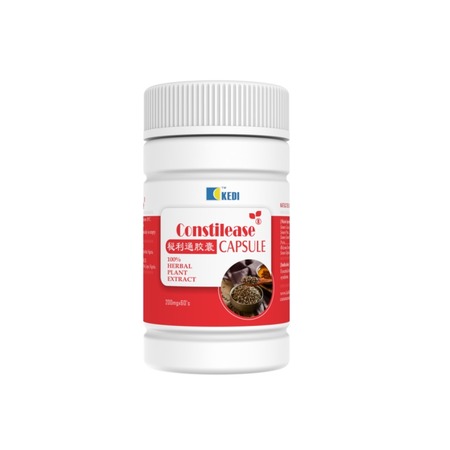
- Constilease Capsules — ₦24,000: A Kedi herbal product used as part of a general wellness routine.
Prices are subject to change. Please get in touch with us to confirm the current price before ordering.
Why Buy Your Kedi Products Directly From Us?
When you buy directly from us, you receive more than the product. We offer better value, personal guidance, convenient payment options, and ongoing customer support.
✓ Enjoy Membership Prices
Direct customers can access membership prices on selected Kedi products, giving you greater value on future purchases.
Our approach is simple: start as a customer, experience the products, learn more about Kedi, and decide later whether you would like to become a member or explore the business opportunity.
There is no pressure to join.
✓ Free Consultation for Direct Customers
Customers who purchase their Kedi products directly from us can enjoy free consultation and product guidance.
If you did not purchase your products from us, consultations are available for ₦5,000 per consultation.
✓ Cash-on-Delivery Nationwide
For eligible orders, we offer cash-on-delivery nationwide, allowing you to pay when you receive your products, according to the agreed delivery arrangement.
✓ Free Delivery on Eligible Tangible Product Orders
We offer free delivery nationwide on eligible tangible product orders, helping you save on delivery costs while making it convenient to receive your products anywhere in Nigeria.
✓ Personal Guidance and Ongoing Support
If you are unsure about the available products, we can provide general product information and guidance to help you make a more informed purchasing decision.
You can also contact us directly by phone or WhatsApp when you need assistance with your order or product information.
Interested in the Kedi Business Opportunity?
You don't have to become a Kedi member immediately.
Start as a customer. Get familiar with the products. Receive support and guidance. Then, if you are interested, learn how to become a Kedi member and explore the business opportunity.
Ready to Order or Need More Information?
Contact us today for product information, guidance, or to place your order.
📞 Call/WhatsApp: +234 803 320 5456
📞 Call/WhatsApp: +234 812 132 5411
🌐 Contact: Visit the NigeriaWebSuccess Contact Page
Buy directly. Enjoy better value. Get personal guidance. Receive ongoing customer support.
Medical Disclaimer
This article is provided for general educational purposes and is not a substitute for professional medical diagnosis, treatment, or advice. Acne can have different causes and severity levels. Consult a qualified healthcare professional or dermatologist for persistent, severe, or scarring acne.
The Kedi products mentioned on this page are presented as complementary wellness products and are not claimed to cure or replace medically recommended acne treatment.

Dr. Olabode Oruku
Licensed Herbal Practitioner | Health & Wealth Coach
Dr. Olabode Oruku is a licensed herbal practitioner certified by the
Lagos State Traditional Herbal Medicine Board and the founder of
Oruku Alternative Healthcare in Lagos, Nigeria. He was honored as
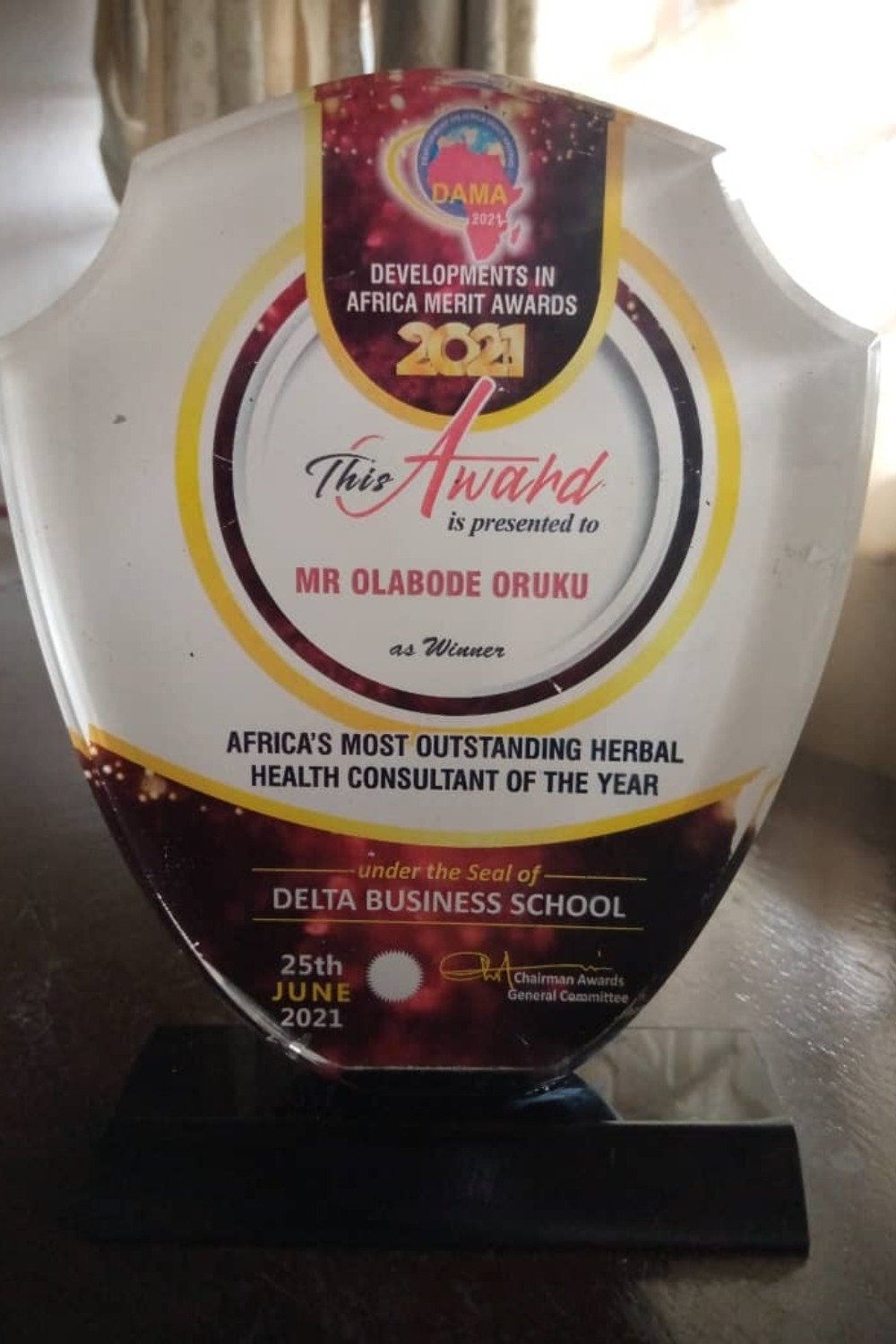
Africa’s Most Outstanding Herbal Health Consultant of the Year
(Delta Business School – 25 June 2021).
He also received an Honorary PhD in Digital Marketing from Africa
American University on 21 October 2023, for his contributions to
digital marketing education and entrepreneurship training.
Through NigeriaWebSuccess.com, he shares educational resources on
natural health, preventive wellness, and personal development.
Get Practical Health & Business Growth Tips
Join the NigeriaWebSuccess newsletter for practical health, wellness, health business, SEO, digital marketing, and AI growth insights designed for Nigerians.
Return to Nigeriaweb Sucess Home Page
Return to Treatment for Dry Skin Page
EDUCATIONAL Mission Statement:
Our mission is to educate and empower individuals with practical knowledge about health, wellness, healthy lifestyle choices, preventive health practices, natural wellness strategies, and health business development—while providing the digital marketing and AI knowledge needed to build, grow, and sustain successful health-related ventures.
Join 1,500+ Nigerian Health Practitioners learning how to attract more patients, build authority, and increase income online.
Africa's Most Outstanding Herbal Health Consultant of the Year 2021



Download the FREE First Module

Kedi Product Price List From September 2023 to 2026

A Quote from Dr William Zhao (Founder and Chairman of Kedi Healthcare International)
Kedi Healthcare leads the way in the future of fulfillment, enriching lives around the globe through the safest, quickest, and most responsible approaches to poverty alleviation and sound health promotion.
Through our commitments to quality products, strong marketing strengths, constant innovation, and respect for nature, by unleashing the power of healthcare and forming a necessary axiom with a strategic partnership based on a shared set of values, we aim to exceed expectations and be rewarded with a smile.
We meet challenging goals by engaging the knowledge, talent, and passion of people who believe there is always a better way.
Your Dream + Our Team = A Powerful Synergy
Click here to Join the Business
P.S: Buy Kedi products directly from us and enjoy membership pricing, free consultations for direct customers, nationwide delivery, and ongoing WhatsApp support.