Dermatitis Treatment: Causes, Symptoms, Skin Care & Natural Wellness Options
Dermatitis is a common skin condition that can cause itching, redness, dryness, swelling, scaling and irritation. Because several conditions can produce similar-looking rashes, understanding the possible cause is an important first step in dermatitis treatment.
At NigeriaWebSuccess.com, we provide practical health education and natural wellness information while encouraging appropriate professional medical care when symptoms are persistent, severe, or difficult to identify.
This guide explains the causes and symptoms of dermatitis, practical skin-care measures, conventional treatment options, and natural wellness approaches that may complement a healthy lifestyle.
Important: Dermatitis is a general term for skin inflammation. The appropriate treatment depends on the type and cause. Natural supplements should not replace diagnosis or prescribed medical treatment.
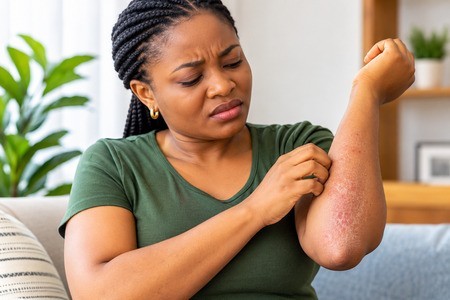
What Is Dermatitis?
Dermatitis means inflammation of the skin.
Depending on the type and severity, dermatitis may cause:
- Itching
- Red or darker patches of skin
- Dryness
- Scaling or peeling
- Swelling
- Burning or stinging
- Cracked skin
- Small bumps or blisters
- Thickened skin after repeated scratching
Dermatitis can affect different parts of the body, including the hands, face, neck, arms, legs and other areas.
Some forms of dermatitis are short-lived, while others can recur over time. Atopic dermatitis, commonly called eczema, is one example of a condition that may require ongoing skin care and treatment strategies.
Common Types of Dermatitis
Not every skin rash is caused by the same thing. Some common types include:
1. Contact Dermatitis
Contact dermatitis occurs when the skin reacts to something it has come into contact with.
Potential triggers include:
- Soaps and detergents
- Cosmetics and perfumes
- Hair products and dyes
- Jewellery containing nickel
- Cleaning chemicals
- Certain plants
- Latex
- Other substances that irritate or sensitise the skin
Identifying and avoiding the trigger is an important part of managing contact dermatitis. In some cases, a dermatologist may recommend patch testing to identify an allergy.
2. Atopic Dermatitis
Atopic dermatitis, commonly known as eczema, is associated with a sensitive or impaired skin barrier and may occur alongside conditions such as allergies or asthma.
Common symptoms include:
- Dry skin
- Persistent itching
- Red or inflamed areas
- Recurrent flare-ups
- Cracking or thickening of the skin
No single treatment works for everyone. Treatment generally aims to control symptoms, protect the skin barrier, and reduce flare-ups.
3. Seborrheic Dermatitis
Seborrheic dermatitis commonly affects areas where the skin produces more oil, such as the scalp, face and upper chest. It may produce flaky, scaly or irritated skin.
Because different skin conditions can look similar, assess persistent or recurrent symptoms properly rather than assuming every rash is dermatitis.
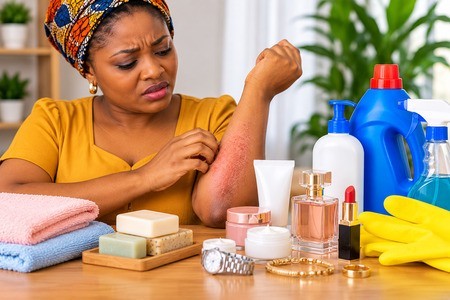
What Causes Dermatitis?
Dermatitis can have several possible triggers.
Irritants
Repeated exposure to substances such as detergents, cleaning chemicals, solvents or harsh soaps can irritate the skin.
Allergens
Some people develop allergic reactions to substances such as fragrances, metals, cosmetics, hair dyes or other ingredients.
Dry Skin
When the skin becomes excessively dry, the protective skin barrier can become compromised, making irritation more likely.
Environmental Factors
Weather changes, heat, sweating and low humidity can contribute to flare-ups in some people.
Personal Sensitivity
People with a personal or family history of eczema, allergies or asthma may be more susceptible to atopic dermatitis.
Dermatitis Symptoms to Watch For
Dermatitis symptoms vary from person to person.
You may notice:
- Itchy skin
- Redness or discolouration
- Dry or rough skin
- Scaling
- Skin swelling
- Burning or stinging
- Cracked skin
- Small blisters
- Thickened skin caused by repeated scratching
One important point is that itching and scratching can create a cycle of irritation. Scratching can damage the skin barrier and increase the risk of infection.
Dermatitis Treatment: What Can Help?
The right dermatitis treatment depends on the type, severity and cause.
1. Identify and Avoid Triggers
If a particular soap, cosmetic, detergent, perfume, jewellery or chemical appears to trigger your rash, reducing exposure may help.
For contact dermatitis, identifying and avoiding the trigger is one of the most important parts of management.
2. Keep the Skin Moisturised
Regular moisturising helps protect the skin barrier and reduce dryness.
Dermatologists recommend moisturisers as an important part of managing atopic dermatitis because they can help prevent cracks and reduce worsening of the rash.
Choose products that your skin tolerates well, particularly if you have sensitive skin.
3. Avoid Excessive Scratching
Scratching may provide temporary relief but can damage the skin and increase infection risk.
Keep your fingernails short, and use cool compresses when itching becomes uncomfortable.
4. Use Appropriate Medical Treatment When Needed
Depending on the diagnosis, a healthcare professional may recommend treatments such as topical corticosteroids or other medicines.
Topical corticosteroids are widely used to reduce inflammation and itching associated with eczema and other inflammatory skin conditions.
Don't assume every rash needs the same cream. A persistent rash deserves proper assessment.
Natural Wellness Support for Dermatitis
Some people searching for natural dermatitis treatment are also interested in nutrition, lifestyle and herbal supplements that support general wellness.
View these approaches as supportive wellness strategies, not replacements for proper diagnosis or medical treatment.
A healthy skin-support routine can include:
- Eating a varied, nutrient-rich diet
- Drinking adequate water
- Getting sufficient sleep
- Managing stress
- Avoiding known skin irritants
- Maintaining appropriate personal hygiene
- Protecting the skin from excessive dryness
- Maintaining healthy digestive and bowel habits
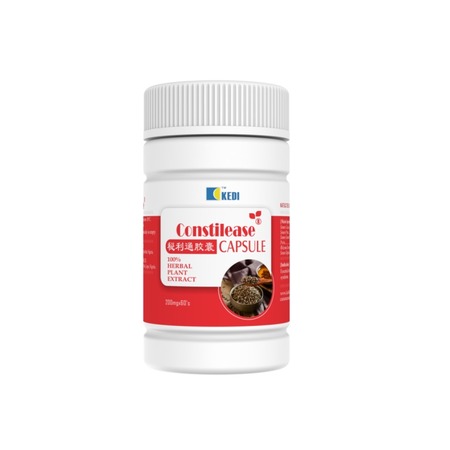
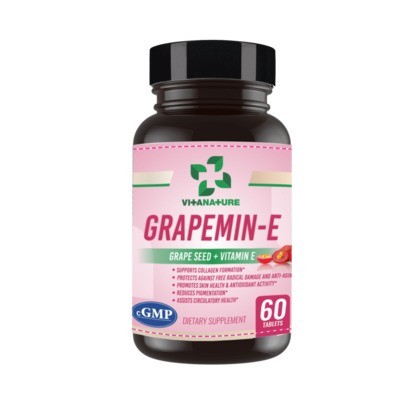
Kedi Products for Skin & General Wellness Support
If you are interested in adding herbal supplements to your wellness routine, we offer selected Kedi products in Nigeria.
Two products you may consider as part of a broader wellness programme are Kedi Constilease and Kedi Grapemin-E.
Kedi Constilease
Constilease is positioned as a herbal product for supporting digestive health and regular bowel function.
Rather than presenting Constilease as a cure for dermatitis, we recommend viewing it within the broader context of digestive and general wellness.
If you are experiencing persistent skin problems, digestive symptoms or other health concerns, seek appropriate professional advice.
Kedi Grapemin-E
Grapemin-E is a nutritional supplement containing grape seed extract and vitamin E.
It can be considered as part of a broader skin and antioxidant wellness routine.
However, supplements should not be promoted as a replacement for proven dermatitis treatments. Consider your individual needs, medications, and health circumstances before adding any supplement to your routine.
Practical Dermatitis Skin-Care Tips
If you are dealing with irritated or sensitive skin, consider these practical steps:
✔ Identify your triggers
Track products, foods, environmental conditions, or activities that seem to worsen your symptoms.
✔ Use gentle skin-care products
Avoid unnecessarily harsh soaps, fragrances and detergents if they irritate your skin.
✔ Moisturise regularly
Apply a suitable moisturiser to help maintain the skin barrier.
✔ Avoid excessive scratching
Scratching can damage the skin and increase infection risk.
✔ Wear comfortable clothing
Soft, breathable clothing may reduce friction and irritation.
✔ Manage stress
Stress can contribute to flare-ups in some people, so relaxation, adequate sleep and healthy lifestyle habits are worthwhile.
✔ Seek professional assessment when necessary
An appropriate healthcare professional should evaluate persistent, severe, spreading, painful, or infected-looking skin problems.
When Should You See a Doctor?
Do not rely exclusively on home remedies or supplements if:
- The rash is severe or rapidly spreading.
- The skin is painful, hot or increasingly swollen.
- There is pus, significant drainage or another sign of infection.
- You develop fever or feel unwell.
- The condition repeatedly returns.
- The rash does not improve with appropriate skin care.
- You are uncertain whether the condition is actually dermatitis.
- The affected person is a baby or young child with significant symptoms.
A correct diagnosis matters because eczema, contact dermatitis, fungal infections, bacterial infections, psoriasis, and other skin conditions can sometimes have overlapping symptoms.
Kedi Products & Natural Wellness Support in Nigeria
If you are looking for Kedi products in Nigeria to complement your personal wellness programme, we can provide product information, ordering assistance, and guidance on how to use them appropriately.
We offer selected Kedi products at member prices, allowing customers to try the products before deciding whether to become members.
Customers who purchase Kedi products from us can also receive a free consultation, subject to the scope of the consultation. People who want a consultation without purchasing products can book a paid consultation.
We offer nationwide delivery, with charges depending on your location. Where our delivery arrangement allows, qualifying orders may receive free delivery.
Interested in Kedi Products?
Contact us for:
- Kedi product information
- Product availability and current prices
- Guidance on selecting products for your wellness goals
- Ordering and nationwide delivery
- Kedi Health Club membership information
- Personal wellness consultation
Call / WhatsApp:
+234 803 320 5456
+234 812 132 5411
You can also visit our Contact Us page if you prefer to send an enquiry online.
Frequently Asked Questions About Dermatitis
What is the best dermatitis treatment?
No single treatment works for every type of dermatitis. Treatment depends on the cause and type. Moisturising, avoiding triggers and appropriate medical treatment are common components of dermatitis management.
Can dermatitis go away on its own?
Some mild cases may improve after removing the trigger, while other forms can recur and require ongoing management. A healthcare professional should assess persistent or severe symptoms.
Is dermatitis the same as eczema?
Not exactly. Dermatitis is a broad term for skin inflammation. Eczema commonly refers to atopic dermatitis, although the term is used more broadly in everyday language.
Can natural remedies help dermatitis?
Some lifestyle and skin-care measures can support healthy skin, but evidence and effectiveness vary between remedies. Natural supplements should not replace appropriate diagnosis or medical treatment.
Can I use Kedi products for dermatitis?
Kedi products can be discussed as part of a broader wellness programme, but they should not be presented as a guaranteed treatment or cure for dermatitis. If you have persistent or severe symptoms, seek professional medical advice.

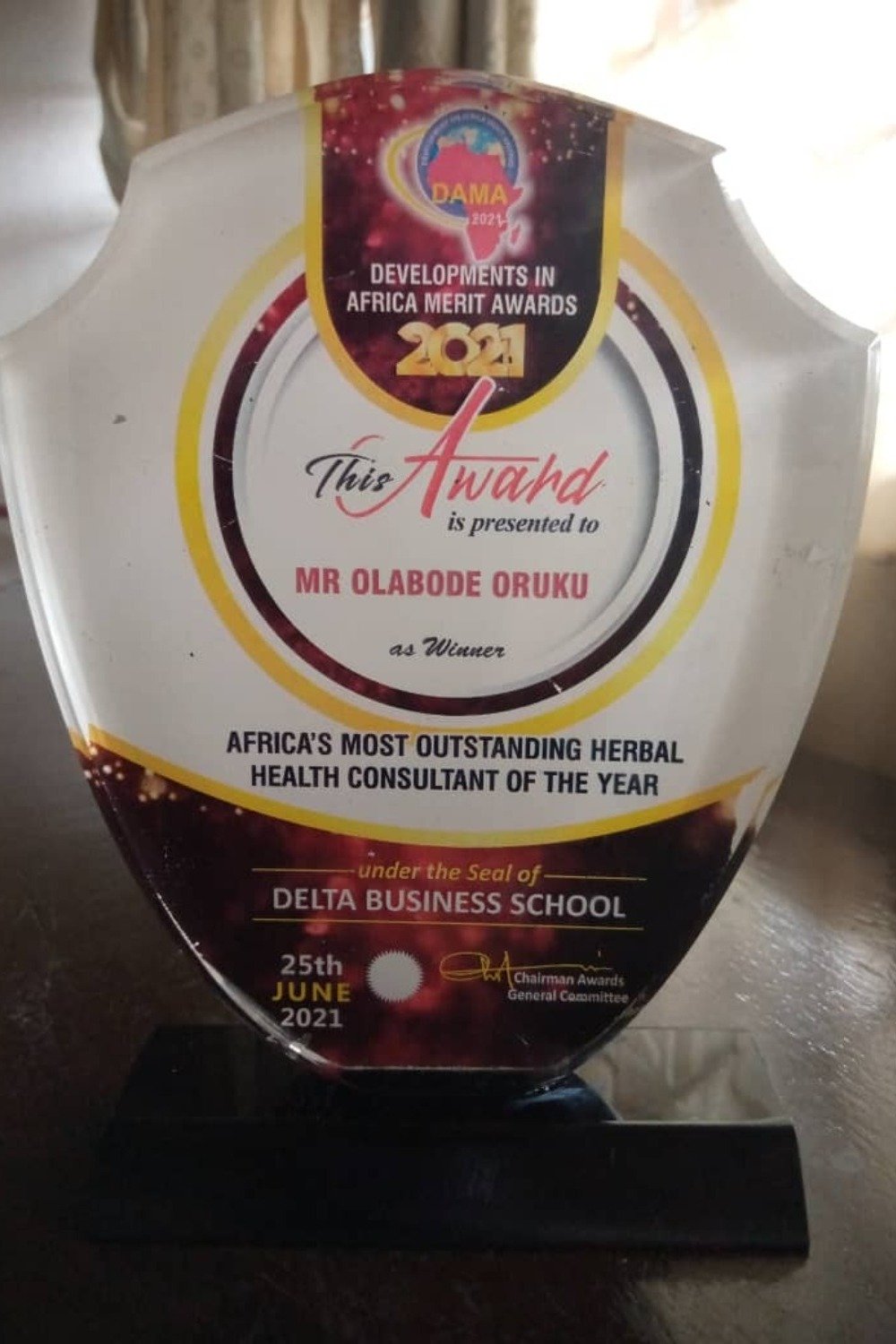
Dr. Olabode Oruku
Licensed Herbal Practitioner | Health & Wealth Coach
Dr. Olabode Oruku is a licensed herbal practitioner certified by the
Lagos State Traditional Herbal Medicine Board and the founder of
Oruku Alternative Healthcare in Lagos, Nigeria. He was honored as
Africa’s Most Outstanding Herbal Health Consultant of the Year
(Delta Business School – 25 June 2021).
He also received an Honorary PhD in Digital Marketing from Africa.
American University on 21 October 2023, for his contributions to
digital marketing education and entrepreneurship training.
Through NigeriaWebSuccess.com, he shares educational resources on
natural health, preventive wellness, and personal development.
Get Practical Health & Business Growth Tips
Join the NigeriaWebSuccess newsletter for practical health, wellness, health business, SEO, digital marketing, and AI growth insights designed for Nigerians.
Return to Nigeriaweb Sucess Home Page
Return to Treatment for Dry Skin Page
EDUCATIONAL Mission Statement:
Our mission is to educate and empower individuals with practical knowledge about health, wellness, healthy lifestyle choices, preventive health practices, natural wellness strategies, and health business development—while providing the digital marketing and AI knowledge needed to build, grow, and sustain successful health-related ventures.
Join 1,500+ Nigerian Health Practitioners learning how to attract more patients, build authority, and increase income online.
Africa's Most Outstanding Herbal Health Consultant of the Year 2021




Download the FREE First Module
