Hematuria Causes, Symptoms, and Treatment
Hematuria causes are among the most common concerns affecting the urinary system. Hematuria refers to the presence of blood in the urine, which may appear red, pink, or cola-colored. In some situations, the blood may not be visible to the naked eye and can only be detected during laboratory tests. This condition, known as microscopic hematuria, may still indicate an underlying health problem that requires medical attention.
Although hematuria can sometimes be harmless, especially after strenuous exercise, it may also signal severe conditions involving the kidneys, bladder, urinary tract, or other internal organs. Understanding hematuria causes, symptoms, and treatment options is essential for early diagnosis and proper management.
What Is Hematuria?
Hematuria is a medical condition characterised by the presence of red blood cells in the urine. The condition is divided into two main categories:
Gross Hematuria
Gross hematuria occurs when blood is visible in the urine. The urine may appear:
- Red
- Pink
- Brownish
- Cola-colored
This form is usually easier to detect because the colour change is obvious.
Microscopic Hematuria
Microscopic hematuria occurs when blood cells are present in the urine but cannot be seen without laboratory examination. A urine test or microscopic analysis is required to confirm the condition.
Both forms of hematuria should be taken seriously because they may indicate underlying medical problems ranging from mild infections to severe kidney disorders.
Common Symptoms of Hematuria
The most obvious symptom associated with hematuria causes is blood in the urine. However, symptoms may vary depending on the root cause of the condition.
Some common symptoms include:
- Pink, red, or dark-colored urine
- Pain or burning sensation during urination
- Frequent urination
- Lower abdominal pain
- Flank or back pain
- Nausea and vomiting
- Fever in cases of infection
- Weakness and fatigue
- Bleeding gums in some severe cases
- Difficulty urinating
In microscopic hematuria, there may be no visible symptoms. This is why routine medical checkups and urine analysis are important for early detection.

Major Hematuria Causes
Several health conditions and lifestyle factors may contribute to hematuria causes. Below are some of the most common causes of blood in the urine.
Urinary Tract Infection (UTI)
One of the most common hematuria causes is a urinary tract infection. This occurs when bacteria infect parts of the urinary system, including:
- The bladder
- Urethra
- Kidneys
- Ureters
UTIs may irritate the urinary tract lining, leading to bleeding that appears in the urine.
Common symptoms of UTI include:
- Burning sensation during urination
- Frequent urge to urinate
- Cloudy urine
- Lower abdominal discomfort
- Fever
Prompt treatment is necessary to prevent the infection from spreading to the kidneys.
Kidney Stones
Kidney stones are another major contributor to hematuria causes. Stones form when minerals and salts accumulate in the kidneys and harden into deposits.
These stones may:
- Scratch the urinary tract walls.
- Block urine flow
- Causes severe pain
- Lead to internal bleeding.
Symptoms associated with kidney stones include:
- Intense lower back pain
- Pain during urination
- Nausea
- Frequent urination
- Blood in the urine
Drinking enough water may help reduce the risk of developing kidney stones.
Medications
Certain medications are known hematuria causes because they may increase bleeding tendencies.
Examples include:
- Aspirin
- Heparin
- Warfarin
- Penicillin
- Blood-thinning medications
These drugs may interfere with blood clotting mechanisms, causing bleeding in the urinary tract.
Individuals taking these medications should consult their healthcare provider if they notice blood in their urine.
Physical Injury or Trauma
Injury to the kidneys or bladder can also lead to hematuria. Physical trauma resulting from:
- Accidents
- Falls
- Sports injuries
- Blows to the abdomen
may damage internal organs and cause bleeding into the urinary system.
This type of hematuria often requires immediate medical evaluation to rule out serious complications.
Strenuous Exercise
Exercise-induced hematuria is another recognized hematuria causes. It commonly occurs after intense physical activities such as:
- Long-distance running
- Heavy weightlifting
- Vigorous sports training
The condition is usually temporary and harmless, especially in healthy individuals. However, persistent blood in the urine after exercise should still be evaluated by a medical professional.
Kidney Diseases
Certain kidney diseases may damage the filtering structures of the kidneys, leading to blood leakage into the urine.
These conditions include:
- Glomerulonephritis
- Kidney infections
- Chronic kidney disease
Kidney-related hematuria may also be accompanied by:
- Swelling
- High blood pressure
- Fatigue
- Reduced urine output
Enlarged Prostate
In older men, enlargement of the prostate gland may contribute to hematuria causes. An enlarged prostate may compress the urethra and interfere with normal urine flow, causing irritation and bleeding.
Symptoms may include:
- Difficulty urinating
- Weak urine stream
- Frequent nighttime urination
- Painful urination
Cancer of the Urinary Tract
Although less common, cancers affecting the:
- Bladder
- Kidney
- Prostate
may also present with blood in the urine.
This is why persistent hematuria should never be ignored, especially in older adults or smokers.
Diagnosis of Hematuria
Doctors use several methods to identify hematuria causes and determine the appropriate treatment.
Diagnostic tests may include:
- Urinalysis
- Urine culture
- Blood tests
- Ultrasound scan
- CT scan
- MRI
- Cystoscopy
A proper diagnosis is essential because treatment depends largely on the underlying cause.

Hematuria Treatment Options
Hematuria treatment depends on identifying and correcting the underlying condition.
Antibiotics for Infection
When urinary tract infections are responsible for hematuria causes, antibiotics are usually prescribed to eliminate the infection and stop the bleeding.
Completing the full course of treatment is important to prevent recurrence.
Surgery
Surgical treatment may be necessary in severe situations involving:
- Kidney stones
- Tumors
- Internal injuries
- Urinary blockages
Surgery helps remove obstructions and repair damaged tissues.
Herbal Remedy for Hematuria
Herbal remedies are increasingly used as supportive wellness options in managing hematuria. Some herbal products may help:
- Reduce inflammation
- Support urinary tract health.
- Improve circulation
- Promote kidney wellness
Recommended herbal products often include:
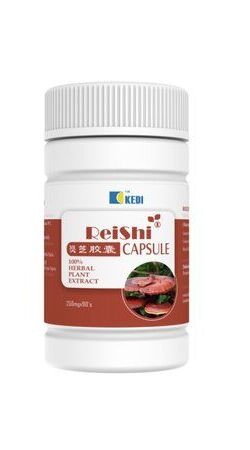
- Reishi Capsule
- Haemocare Capsule
These herbal products are believed to support the body naturally while helping reduce discomfort associated with urinary conditions.
Unlike some medications, herbal wellness products are often preferred because they may offer broader wellness benefits with fewer harmful side effects when used appropriately under professional supervision.
Drinking Plenty of Water
Hydration plays an important role in hematuria treatment.
Drinking enough water may help:
- Flush bacteria from the urinary tract
- Support bladder health
- Prevent kidney stone formation.
- Improve kidney function
Adequate water intake is one of the simplest lifestyle measures for supporting urinary wellness.
Preventing Hematuria
Although not all hematuria causes can be prevented, some healthy habits may reduce the risk:
- Drink plenty of clean water daily.
- Maintain good personal hygiene.
- Avoid excessive salt intake.
- Treat infections promptly
- Avoid smoking
- Exercise moderately
- Attend regular medical checkups.
Early detection and healthy lifestyle practices are important for maintaining urinary tract health.
Final Thoughts on Hematuria Causes
Hematuria causes can range from mild urinary infections to more serious kidney or bladder conditions. While some cases may be temporary and harmless, others may require urgent medical evaluation and treatment.
Blood in the urine should never be ignored, especially if it persists or is accompanied by pain, fever, nausea, or difficulty urinating.
Proper diagnosis, early treatment, healthy lifestyle choices, and supportive wellness practices can help improve outcomes and reduce complications associated with hematuria.
Reishi and Haemocare herbal medicines are available to help manage hematuria, support urinary tract health, improve blood circulation, and boost your overall well-being.
We have special member prices to thank you for choosing us. After you try our herbal medicines and supplements, you can open a membership account with our company.
Here are our current member prices:
Reishi Capsule: N31,500
Haemocare Capsule: N20,000
Delivery costs are not included.
We deliver quickly and reliably anywhere in Nigeria using trusted courier services, so your order arrives right at your door.
If you want to place an order, ask questions, or need more information, we're here to help:
You can reach us by call, text, WhatsApp, or Telegram:
2348033205456
2348121325411
Send us an email if you want more information or to place your order today. Click here.

Dr. Olabode Oruku
Licensed Herbal Practitioner | Health & Wealth Coach
Dr. Olabode Oruku is a licensed herbal practitioner certified by the
Lagos State Traditional Herbal Medicine Board and the founder of
Oruku Alternative Healthcare in Lagos, Nigeria. He was honored as
Africa’s Most Outstanding Herbal Health Consultant of the Year
(Delta Business School – 25 June 2021).
He also received an Honorary PhD in Digital Marketing from Africa.
American University on 21 October 2023, for his contributions to
digital marketing education and entrepreneurship training.
Through NigeriaWebSuccess.com, he shares educational resources on
natural health, preventive wellness, and personal development.
Get Practical Health & Business Growth Tips
Join the NigeriaWebSuccess newsletter for practical health, wellness, health business, SEO, digital marketing, and AI growth insights designed for Nigerians.
Return to Nigeriaweb Success Home Page
EDUCATIONAL Mission Statement:
Our mission is to educate and empower individuals with practical knowledge about health, wellness, healthy lifestyle choices, preventive health practices, natural wellness strategies, and health business development—while providing the digital marketing and AI knowledge needed to build, grow, and sustain successful health-related ventures.
Join 1,500+ Nigerian Health Practitioners learning how to attract more patients, build authority, and increase income online.
Africa's Most Outstanding Herbal Health Consultant of the Year 2021




Download the FREE First Module

Kedi Product Price List From September 2023 to 2026

A Quote from Dr William Zhao (Founder and Chairman of Kedi Healthcare International)
Kedi Healthcare leads the way in the future of fulfillment, enriching lives around the globe through the safest, quickest, and most responsible approaches to poverty alleviation and sound health promotion.
Through our commitments to quality products, strong marketing strengths, constant innovation, and respect for nature, by unleashing the power of healthcare and forming a necessary axiom with a strategic partnership based on a shared set of values, we aim to exceed expectations and be rewarded with a smile.
We meet challenging goals by engaging the knowledge, talent, and passion of people who believe there is always a better way.
Your Dream + Our Team = A Powerful Synergy
Click here to Join the Business
P.S: Buy Kedi products directly from us and enjoy membership pricing, free consultations for direct customers, nationwide delivery, and ongoing WhatsApp support.