Acne Treatment Products for Acne-Prone Skin
If you are looking for acne treatment products, it is important to understand that different types of acne may require different approaches. Some people have mild, occasional breakouts, while others develop persistent or painful acne that may require professional medical treatment.
Acne is one of the most common skin conditions, affecting teenagers and adults alike. Pimples, blackheads, whiteheads, and deeper inflammatory breakouts can affect both skin appearance and a person's confidence.
This page explains common acne triggers, practical skin-care measures, and the types of acne treatment products available. It also introduces the herbal products we offer for customers who are interested in nutritional and herbal support.
What is acne?
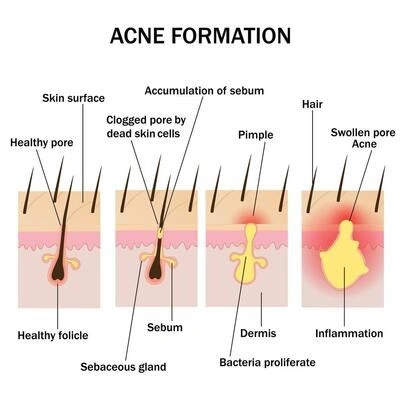
Acne is a skin condition that develops when hair follicles become blocked with excess sebum and dead skin cells. Blocked follicles can produce blackheads and whiteheads, while inflammation can lead to pimples, pustules, nodules, or cysts. Hormonal changes can also increase oil production and contribute to acne.
Acne isn't simply the result of dirty skin. Many of the processes responsible for acne occur beneath the skin, so aggressive washing or scrubbing is not an effective solution.
Common types of acne
Acne can appear in several forms, including:
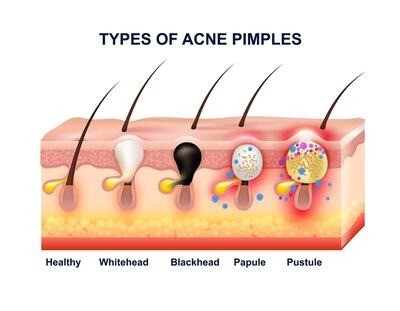
- Blackheads — open clogged follicles that appear dark on the skin.
- Whiteheads — closed clogged follicles that appear as small raised bumps.
- Papules and pustules — inflamed spots that may become red, swollen, or contain pus.
- Nodules and cysts — deeper, often painful inflammatory lesions that can increase the risk of scarring.
Persistent or severe acne deserves professional attention because early treatment can help reduce the risk of permanent scarring.
What causes acne?
Acne usually develops through a combination of factors rather than a single cause.
Excess sebum
Sebaceous glands produce sebum, an oily substance that helps protect the skin. Excess sebum can contribute to blocked follicles and acne.
Blocked pores
Dead skin cells can combine with sebum and block hair follicles, producing blackheads and whiteheads.
Hormonal changes
Hormonal changes during puberty can increase sebum production. Hormonal fluctuations can also contribute to acne in adults.
Inflammation and skin bacteria
The bacteria that normally live on the skin can contribute to inflammation when a follicle becomes blocked. This is one reason some acne treatments target both clogged pores and inflammation.
Other factors
Family history, certain medicines, some cosmetic or hair-care products, and other individual factors can also contribute to acne. Choosing non-comedogenic or oil-free skin-care products may help people with acne-prone skin.
Choosing acne treatment products
No single acne treatment product works for everyone. The most appropriate option depends on the type and severity of acne.
Evidence-based acne treatment may include topical products containing ingredients such as:
- Benzoyl peroxide — helps reduce acne-causing bacteria and inflammation.
- Adapalene and other topical retinoids — help unclog pores and prevent new breakouts.
- Salicylic acid — helps unclog pores and exfoliate the skin.
- Azelaic acid — can help with acne and the dark marks that may remain after acne clears.
Dermatology guidelines also support combinations of different topical treatments for appropriate patients.
For moderate, severe, painful, or scarring acne, a doctor or dermatologist may recommend prescription treatment. When appropriate, use antibiotics under professional guidance, and limit their use to reduce the risk of antibiotic resistance.
Simple skin-care habits for acne-prone skin
The products you use are only one part of an effective acne-care routine.
Wash gently
Wash your face gently, generally up to twice a day and after sweating. Avoid aggressive scrubbing because irritation can make breakouts worse.
Avoid squeezing pimples
It can be tempting to squeeze or pick a pimple, but doing so can increase inflammation and the risk of dark marks and scarring.
Choose suitable skin-care products
Look for products labelled oil-free, non-comedogenic, or won't clog pores, and choose what's right for your skin.
Give your treatment time
Acne treatment rarely produces overnight results. Depending on the treatment, improvement can take several weeks, so changing products too often may irritate the skin and make it harder to tell what is working.
Protect your skin from the sun
Some acne treatments can increase sensitivity to sunlight. A broad-spectrum, water-resistant sunscreen with SPF 30 or higher can help protect exposed skin.
Herbal and nutritional support for acne
Some people looking for acne treatment products are also interested in herbal medicines and dietary supplements.
At NigeriaWebSuccess, we offer selected Kedi herbal products and personal guidance for customers interested in this type of wellness support.
Grapemin-E
Grapemin-E is one of the Kedi products we offer. Customers who want to use herbal products as part of their personal wellness routine can contact us for current product information, availability, and purchasing guidance.
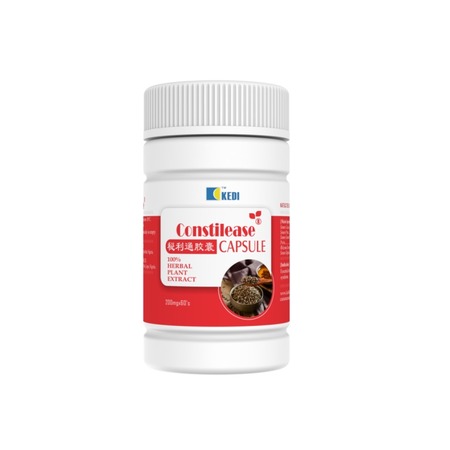
Constilease
Constilease is another Kedi product we offer. If you are considering this or another herbal product, contact us for current information about the product and its appropriate use.
Important: Herbal and dietary products should not automatically be considered substitutes for evidence-based medical acne treatment. Evidence for plant-based and alternative acne treatments is currently insufficient to recommend them as established acne therapies.
If you have persistent, severe, or painful acne, or acne that is leaving scars, consult a qualified healthcare professional or dermatologist.

When should you seek professional acne treatment?
Consider seeing a doctor or dermatologist if:
- Your acne is moderate or severe.
- You have large or painful nodules or cysts.
- Your acne is leaving scars or persistent dark marks.
- Pharmacy or over-the-counter products have not helped.
- Your acne is affecting your confidence or emotional well-being.
- You are unsure whether the condition is actually acne.
Severe acne may require prescription treatment, and early professional management can help reduce the risk of scarring.
Looking for acne treatment products in Nigeria?
If you are looking for acne treatment products and want to learn more about the herbal products we offer, contact us for current availability, pricing, and purchasing information.
We can provide information about:
- Grapemin-E
- Constilease
- Other available Kedi products
- Product purchasing and delivery
- General wellness and lifestyle support
Product availability and prices can change, so please get in touch with us for current information before ordering.
Ready to learn more?
Contact NigeriaWebSuccess
Call or WhatsApp:
+234 803 320 5456
+234 812 132 5411
You can also use our Contact Us page to send an inquiry.
Frequently Asked Questions About Acne Treatment Products
What are the best acne treatment products?
The best product depends on your acne type and severity. Evidence-based options include products containing benzoyl peroxide, topical retinoids, salicylic acid, and azelaic acid. A dermatologist can help determine the most appropriate treatment.
Can herbal products treat acne?
People are interested in herbal and plant-based approaches to acne, but current evidence is not sufficient to classify these products as established acne treatments. If you choose to use a herbal product, discuss it with an appropriately qualified healthcare professional, particularly if you are taking medicines or have an existing medical condition.
Should I squeeze my pimples?
No. Picking, popping, or squeezing acne can increase inflammation and raise the risk of scarring and dark spots.
How long does acne treatment take to work?
Acne treatment takes time. Some people begin to see improvement after several weeks, while more substantial improvement may take longer. Consistency is important.
Can acne leave dark spots?
Yes. Acne can leave post-inflammatory hyperpigmentation, particularly in people with darker skin. Treating the acne and preventing new breakouts can help reduce the cycle of inflammation and new marks.
Does poor hygiene cause acne?
No. Acne is not simply caused by dirty skin or poor hygiene. Excessive washing and scrubbing can actually irritate acne-prone skin.
Disclaimer: The information on this page is provided for general educational purposes and is not a substitute for diagnosis or treatment by a qualified healthcare professional. Check product information with the manufacturer or an appropriately qualified healthcare professional before use.
Get Practical Health & Business Growth Tips
Join the NigeriaWebSuccess newsletter for practical health, wellness, health business, SEO, digital marketing, and AI growth insights designed for Nigerians.
Return to Nigeriaweb Sucess Home Page
Return to Treatment for Dry Skin Page
EDUCATIONAL Mission Statement:
Our mission is to educate and empower individuals with practical knowledge about health, wellness, healthy lifestyle choices, preventive health practices, natural wellness strategies, and health business development—while providing the digital marketing and AI knowledge needed to build, grow, and sustain successful health-related ventures.
Join 1,500+ Nigerian Health Practitioners learning how to attract more patients, build authority, and increase income online.
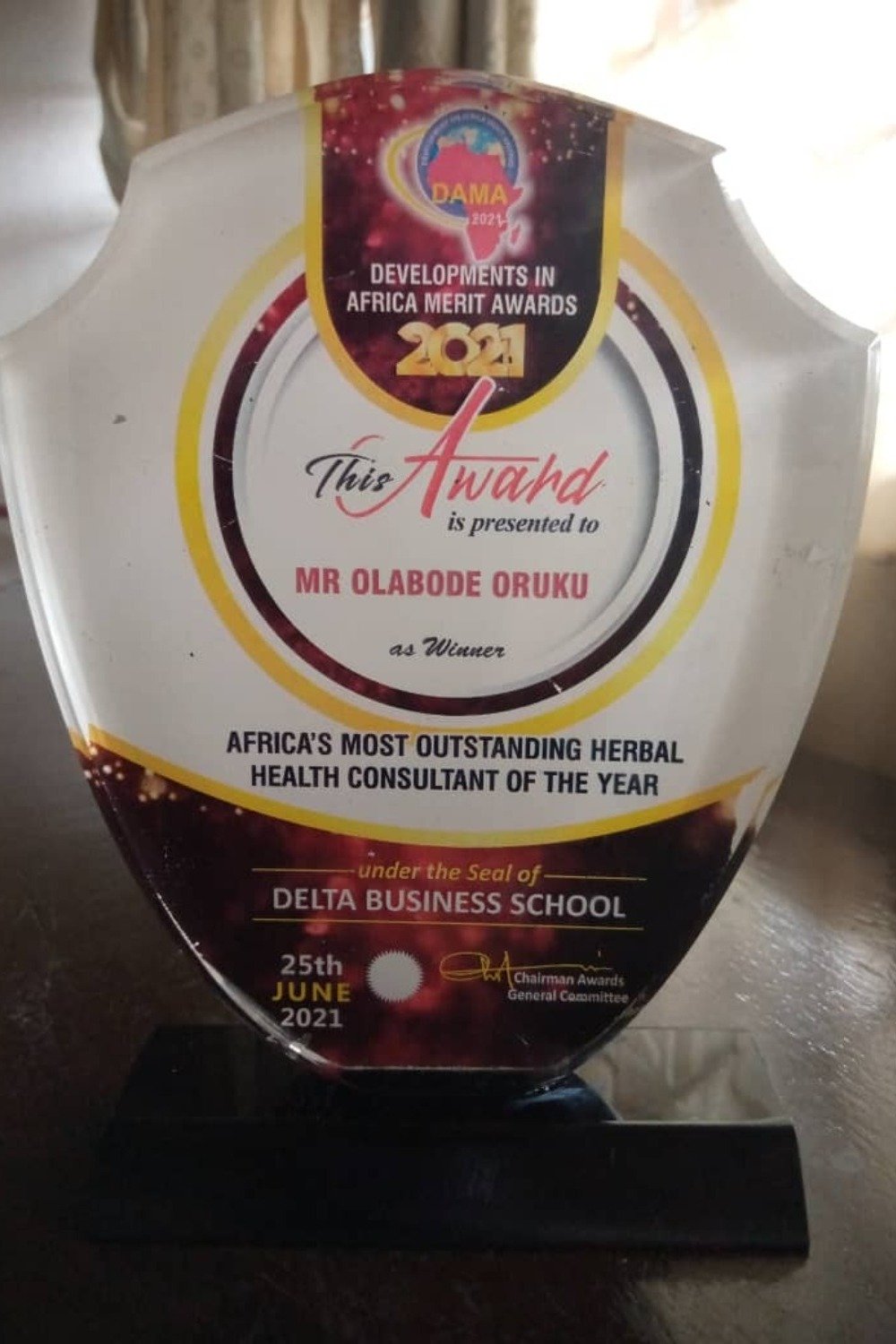
Africa's Most Outstanding Herbal Health Consultant of the Year 2021




Download the FREE First Module
