Understanding Enlarged Adenoids Treatment: Symptoms, Causes, and Effective Solutions Unveiled
This article explains enlarged adenoids treatments, their symptoms, and their causes. Sore throats can be seriously troubling. But when accompanied by breathing difficulties and heavy snoring, it becomes a cause for concern. The likely cause of these issues could be an enlarged adenoid or adenoiditis.
What is enlarged adenoid?
Adenoids are lymph tissues located just above the upper roof plate of the mouth and along the airway leading from the nostrils. Together with the tonsils, it plays a vital role in the immune system, helping to remove harmful microorganisms from the airway. But when the microbial population on the adenoid becomes overloaded, it can become infected and swollen, leading to an enlarged adenoid.
Adenoids can be small in an average adult and are at their largest during childhood, growing in size from birth until about 7 years, after which they begin to shrink. It explains why enlarged adenoids are more common in children, but some adult cases have also been reported.
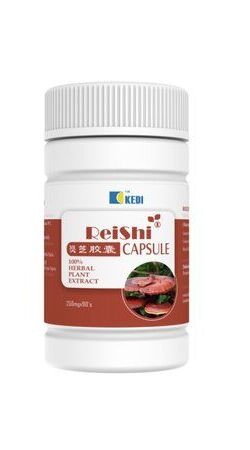 Reishi Capsule
Symptoms of enlarged adenoids
Symptoms of enlarged adenoids range from mild discomfort to severe disruption of daily life. Among the prevalent indicators are breathing challenges, often characterized by nasal congestion or blockage, making inhalation and exhalation difficult.
Sleep difficulties are frequently reported, marked by restless nights and frequent waking due to obstructed airways. These obstructions can also induce dryness in the mouth and lips, causing discomfort and developing cracks in the delicate skin.
Snoring becomes common when airway obstruction causes vibrations in the throat during sleep. In severe cases, obstructive sleep apnea may manifest as breathing pauses during sleep, leading to fragmented sleep patterns and daytime fatigue.
Persistent nasal symptoms, such as a runny or stuffy nose, persist, worsening discomfort. Enlarged adenoids can also exert pressure on the Eustachian tube, predisposing individuals to ear infections and potentially contributing to hearing impairment over time, underscoring the multifaceted impact of adenoid enlargement on overall health and well-being.
Causes of enlarged adenoids
Infection: Enlarged adenoids can stem from various underlying factors, with infections often reigning as the primary instigator. When bacteria and germs proliferate within the adenoid tissue, typically due to an untreated or recurrent disease, the adenoids swell, leading to the characteristic enlargement. This scenario occurs frequently, accounting for a significant proportion of adenoid-related concerns.
Weakened immune system: A compromised immune system is another pathway to adenoid enlargement, leaving the body less able to fend off infections. Instances of prolonged illness or health conditions such as HIV/AIDS can precipitate a weakening of the body's natural defence mechanisms, rendering the adenoids more susceptible to infection-induced swelling.
Allergy: Allergic reactions present yet another avenue toward adenoid enlargement. When the body encounters allergens such as dust, pollen, or certain foods, the adenoid tissue may respond by swelling in response to the perceived threat. Continual exposure to these allergens can sustain the inflammation, perpetuating the enlargement. Conversely, reducing or mitigating exposure to allergens may lead to a reduction in adenoid size over time.
Congenital: In some instances, adenoid enlargement manifests as a congenital condition wherein children are born with adenoids that are inherently larger than average. Monitoring becomes crucial in such cases, as the adenoids' size may naturally diminish with age or persist, potentially leading to more pronounced complications. Close observation and medical intervention may be necessary to navigate the implications of congenital adenoid enlargement effectively.

Comprehensive Guide to Enlarged Adenoids Treatment: Options and Considerations for Relief
The appropriate cause of adenoids treatment hinges upon the severity of the condition and its underlying causes. While some cases may resolve spontaneously without intervention, persistent cases require proactive measures to alleviate symptoms and restore normal function. Here are several effective treatment options:
- Medication: Antibiotics are often prescribed when a bacterial infection underpins the adenoid enlargement. These medications eradicate the underlying disease, thereby reducing swelling and inflammation. Proper administration and adherence to the prescribed antibiotic regimen are crucial for optimal effectiveness.
- Adenoidectomy: In cases where conservative measures prove insufficient or adenoid enlargement significantly impairs breathing or leads to recurrent infections, surgical intervention may be recommended. Adenoidectomy involves the surgical removal of the adenoid tissue, along with potentially concurrent removal of the tonsils, to open up the airway and prevent further complications. This procedure is typically performed under general anaesthesia. It is considered safe and effective in alleviating symptoms associated with enlarged adenoids.
- Herbal Remedies: An emerging trend in adenoid treatment involves using herbal remedies, which are gaining popularity for their purported effectiveness and minimal side effects. Specific herbal formulations contain ingredients with antibiotic and anti-inflammatory properties that can help naturally shrink adenoid tissue. While research on the efficacy of herbal remedies for enlarged adenoids is ongoing, some individuals may find relief through this alternative approach.
By tailoring treatment strategies to each individual's specific circumstances and medical history, healthcare providers can effectively address enlarged adenoids and improve affected individuals' quality of life.
Experience the Power of Reishi: Natural Relief for Enlarged Adenoids
Suffering from the discomfort of enlarged adenoids? Discover the natural healing benefits of Reishi herbal medicine. Our high-quality Reishi supplements offer a gentle yet effective approach to supporting your respiratory health.
Exclusive Benefits for You:
- Member Pricing: Enjoy significant savings with our exclusive member pricing.
- Proven Results: Experience the difference – try our Reishi supplement and see the positive impact on your child's well-being.
- Fast and Reliable Delivery: We offer prompt nationwide delivery via trusted courier services.
Order Now & Experience the Reishi Difference!
- Price: N31,500 (excluding delivery)
- Contact Us: Call/Text/WhatsApp/Telegram: 2348033205456 / 2348121325411
- Email: [Click Here]
Get Practical Health & Business Growth Tips
Join the NigeriaWebSuccess newsletter for practical health, wellness, health business, SEO, digital marketing, and AI growth insights designed for Nigerians.
Return to Nigeriaweb Sucess Home Page
Return to Bad Mouth Odour Page
EDUCATIONAL Mission Statement:
Our mission is to educate and empower individuals with practical knowledge about health, wellness, healthy lifestyle choices, preventive health practices, natural wellness strategies, and health business development—while providing the digital marketing and AI knowledge needed to build, grow, and sustain successful health-related ventures.
Join 1,500+ Nigerian Health Practitioners learning how to attract more patients, build authority, and increase income online.
Africa's Most Outstanding Herbal Health Consultant of the Year 2021




Download the FREE First Module
