Age Spots Treatment: Causes, Prevention and Treatment Options
Understanding the possible causes of skin discoloration is important before choosing an age spots treatment. Age spots are common areas of darker pigmentation that usually develop on skin that receives regular sun exposure, such as the face, hands, shoulders, arms, and upper chest.
People sometimes call them sun spots, liver spots, or solar lentigines. Although age spots are usually harmless, not every dark spot on the skin is an age spot. Some skin conditions and certain types of skin cancer can look similar.
What are age spots?
Age spots are flat areas of increased pigmentation that commonly develop after years of exposure to ultraviolet (UV) radiation from the sun.
They can range from light brown to dark brown and may occur as individual spots or in groups. They are particularly common on areas of the body that receive frequent sun exposure.
Despite the name, age spots aren't limited to older adults. Long-term sun exposure can cause visible pigmentation at any ages.
For people with darker skin tones, other forms of hyperpigmentation may also cause dark patches or spots. These can develop after acne, skin irritation, injuries, inflammation, hormonal changes, or certain medications.
What Do Age Spots Look Like?
Typical age spots are:
- Flat rather than raised
- Brown, tan, or darker than the surrounding skin
- Usually found on sun-exposed areas.
- Generally painless
- Often clearly defined
- Variable in size
They commonly appear on the:
- Face
- Back of the hands
- Arms
- Shoulders
- Upper chest
However, a new or changing dark spot should not automatically be assumed to be an age spot.
What Causes Age Spots?
The major contributing factor is cumulative exposure to ultraviolet radiation.
UV exposure stimulates melanin production. Over many years, repeated sun exposure can make areas of increased pigmentation visible.
Other causes of dark spots can include:
- Acne and other inflammatory skin conditions
- Cuts, burns and other skin injuries
- Irritation from skincare or haircare products
- Hormonal changes
- Certain medications
- Other forms of hyperpigmentation
Post-inflammatory hyperpigmentation is particularly common in darker skin tones. This happens when injury, inflammation, or irritation causes the skin to produce extra melanin.
When Should You See a Doctor About a Dark Spot?
One of the most important things to understand about age spots is that not every dark spot is an age spot.
See a doctor or dermatologist if a spot:
- Is new and unusual
- Changes in size, shape, or color
- Has an irregular or poorly defined border
- Becomes painful, itchy, or bleeds
- Develops a crust or persistent scaling
- Looks significantly different from your other spots
- Continues to change over time
The American Academy of Dermatology advises having suspicious spots evaluated before treating them cosmetically because some skin cancers can resemble age spots.
Age Spots Treatment Options
Treatment depends on the type of pigmentation, its cause, your skin type, and your desired outcome.
A dermatologist may recommend one or more of the following approaches.
1. Sun Protection
Sun protection is an important part of managing age spots and preventing additional pigmentation.
Dermatologists recommend using a broad-spectrum sunscreen with SPF 30 or higher, together with protective clothing, shade, and other sun-protection measures.
For people prone to hyperpigmentation, consistent sun protection matters because UV exposure can make existing dark spots more noticeable and contribute to new pigmentation.
2. Topical Treatments
Depending on the cause of the pigmentation, dermatologists may recommend topical products containing ingredients such as:
- Retinoids
- Azelaic acid
- Vitamin C
- Glycolic acid
- Kojic acid
- Other professionally recommended pigment-lightening ingredients
The appropriate treatment depends on the diagnosis and your skin's sensitivity. Some products can cause irritation, which may worsen pigmentation, particularly in darker skin tones.
3. Chemical Peels
Chemical peels use controlled chemical solutions to remove or exfoliate skin layers.
They may help improve certain forms of pigmentation and sun damage. Professional assessment is important because the wrong strength or formulation can cause irritation or additional pigmentation.
4. Laser and Light Treatments
Certain laser and intense pulsed light treatments can target pigmentation and sun-damaged areas.
These procedures can produce faster visible changes than some topical treatments, but they can also cause side effects. Choose a procedure based on your skin type and the nature of the pigmentation.
5. Cryotherapy
Cryotherapy uses controlled freezing to treat selected age spots.
It can be effective, but temporary redness, irritation, and pigmentation changes can occur. There is also a small risk of scarring or permanent color changes.
6. Microdermabrasion
Microdermabrasion removes the outermost layer of skin using a controlled exfoliation technique.
It may be used as part of a professional treatment plan for certain types of pigmentation and sun damage.
Can Natural or Herbal Products Help With Age Spots?
Many people prefer natural or herbal products as part of their general skin and wellness routine.
However, it is important to distinguish between supporting general wellbeing and treating a diagnosed skin condition.
There is not enough clinical evidence to claim that a particular Kedi herbal supplement can remove age spots or cure hyperpigmentation. For that reason, we do not recommend presenting herbal supplements as a substitute for dermatological assessment or proven treatments.
If you choose to use nutritional or herbal products, consider them part of your broader wellness routine rather than a guaranteed age-spot treatment.
Kedi Herbal Products and General Wellness Support
We offer selected Kedi herbal and nutritional products for customers interested in natural wellness support.
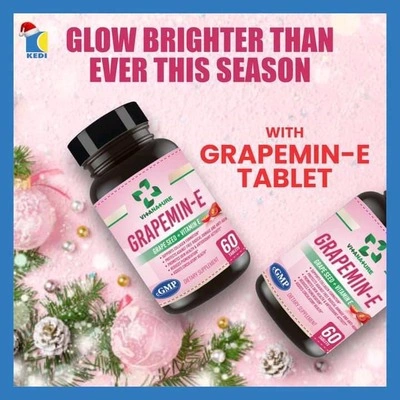
Products such as Grapemin-E may be considered as part of a general nutritional and antioxidant-focused wellness routine. However, use individual products according to their product information and appropriate professional guidance.
We do not claim that these products diagnose, treat, cure, or remove age spots.
If you have persistent, unusual, or changing skin pigmentation, seek professional medical evaluation first.
How Can You Reduce the Risk of More Age Spots?
You cannot completely prevent every form of skin pigmentation, but good sun-protection habits can reduce cumulative UV exposure.
Consider making these habits part of your daily routine:
- Use broad-spectrum SPF 30+ sunscreen.
- Reapply sunscreen as recommended, especially after sweating or swimming.
- Wear a wide-brimmed hat when spending time outdoors.
- Seek shade when the sun is strongest.
- Wear protective clothing when appropriate.
- Avoid skincare products that irritate or burn your skin.
- Treat acne and other inflammatory skin conditions appropriately.
- Avoid unregulated skin-lightening products.
For people with darker skin, avoiding skin irritation is particularly important because inflammation can trigger post-inflammatory hyperpigmentation.
How Long Does It Take for Dark Spots to Fade?
The time required depends on the cause and depth of the pigmentation.
Some forms of post-inflammatory hyperpigmentation gradually fade once you address the original cause. According to the American Academy of Dermatology, superficial dark spots may take 6 to 12 months to fade, while deeper pigmentation can take considerably longer.
Professional treatment may accelerate the process, but results vary from person to person.
A Safer Approach to Age Spots Treatment
If you are concerned about a dark spot, don't simply assume that it is an age spot and start applying a strong bleaching or lightening product.
A better approach is:
Identify the cause → protect your skin from the sun → choose an appropriate treatment → monitor your progress.
If the spot is changing, unusual, or persistent, have a qualified healthcare professional or dermatologist assess it.
Interested in Natural Wellness Support?
If you are looking for Kedi herbal and nutritional products as part of your general wellness routine, we can provide product information and personal guidance.
Looking for Herbal Support for Your Wellness?
Discover our range of Kedi herbal and nutritional products and get the added advantage of personal guidance and customer support when you purchase directly from us.
We can help you understand the available products, how they are commonly used, and which options may fit your general wellness goals.
Important: Kedi products are not presented as a replacement for medical diagnosis or treatment. If you have a persistent, changing, or suspicious skin lesion, please seek appropriate medical evaluation.
Why purchase directly from us?
- Genuine Kedi products
- Personal product guidance
- Customer support after purchase
- Convenient nationwide delivery in Nigeria
- Free consultation for customers who purchase from us
- Non-purchasing clients can request a consultation for ₦5,000
To order or ask a question:
📞 Call / WhatsApp: +234 803 320 5456
📞 Call / WhatsApp: +234 812 132 5411
Visit our Contact Us page to send an inquiry.
We are here to help you make informed choices about your health and wellness.
Get Practical Health & Business Growth Tips
Join the NigeriaWebSuccess newsletter for practical health, wellness, health business, SEO, digital marketing, and AI growth insights designed for Nigerians.
Return to Nigeriaweb Sucess Home Page
Return to Treatment for Dry Skin Page
EDUCATIONAL Mission Statement:
Our mission is to educate and empower individuals with practical knowledge about health, wellness, healthy lifestyle choices, preventive health practices, natural wellness strategies, and health business development—while providing the digital marketing and AI knowledge needed to build, grow, and sustain successful health-related ventures.
Join 1,500+ Nigerian Health Practitioners learning how to attract more patients, build authority, and increase income online.
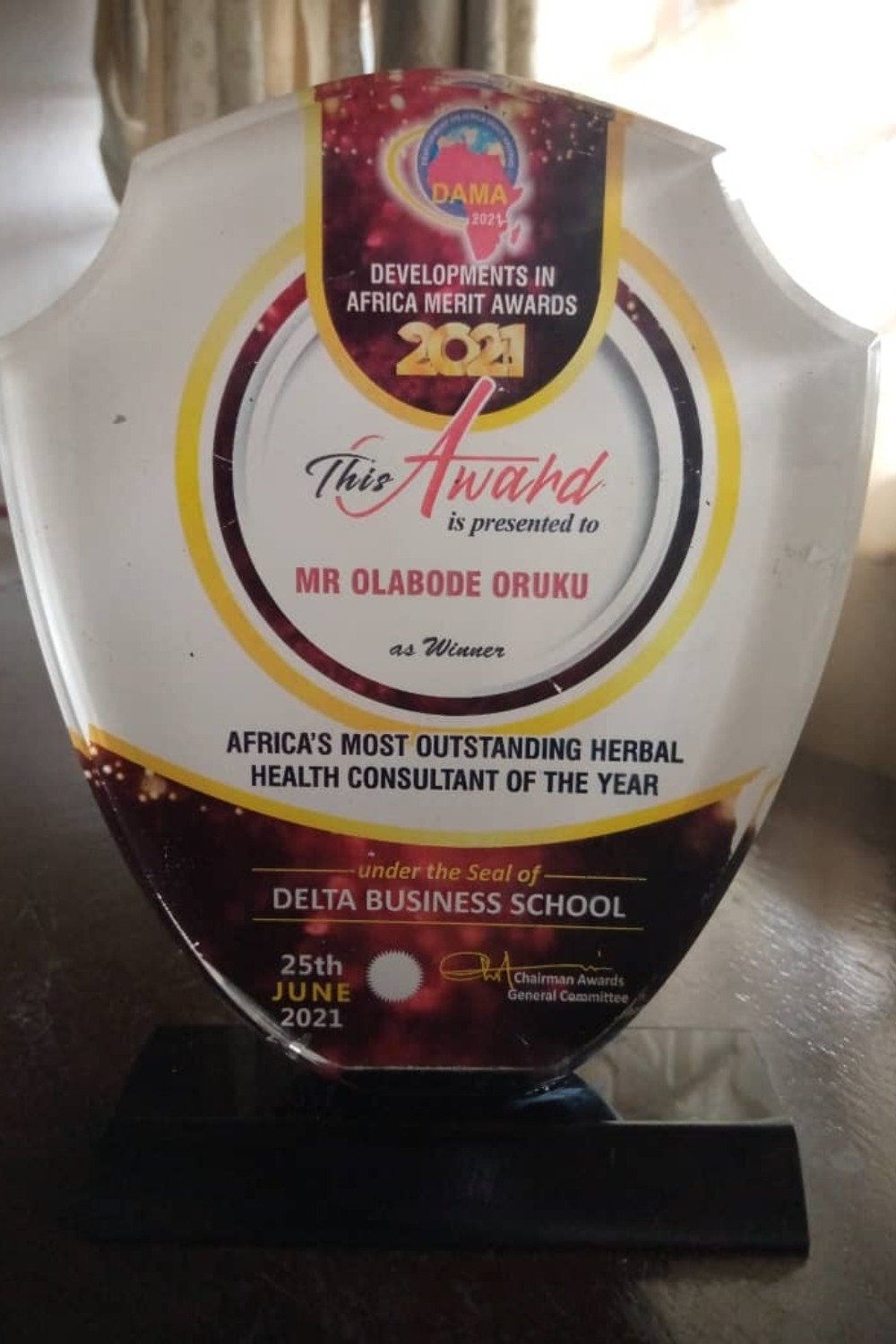
Africa's Most Outstanding Herbal Health Consultant of the Year 2021




Download the FREE First Module
