Blood in Urine Treatment: Causes, Symptoms, and Effective Medical & Herbal Solutions for Hematuria
If you’re searching for blood in urine treatment information, take time to digest this content. It can be a concerning sign to see traces of blood in the urine, a condition known as hematuria.
What is Hematuria? Hematuria is the presence of blood in the urine. It may present as visible or occult hematuria. In invisible hematuria, blood is present in the urine but not visible to the naked eye. In contrast, invisible hematuria can be detected only by microscopy when screening urine samples.
This condition may indicate a serious condition, typically a urinary tract infection that requires urgent medical treatment.
The urine is a waste product that rids the body of excess water, dissolved minerals, and other by-products. It is usually a clear fluid, but the colouration may sometimes be slightly yellowish.
The Urinary System
To better understand how hematuria develops, we will take a closer look at the organs and processes of the urinary system.
Hematuria Symptoms
Typically, there are no noticeable symptoms of the condition, particularly in cases of occult hematuria. Even with visible hematuria, the urine may appear pink or reddish, but no pain usually accompanies this. In severe cases, symptoms may include weight loss, urinating frequently, pain in the abdomen, blood clots in urine, fever, and vomiting. These can be dangerous warning signs that require immediate medical attention.
Causes of Hematuria
Because hematuria is not a disease but a sign of an underlying illness, it is caused primarily by problems in any part of the urinary system.
- Urinary tract infection: This may result from bacterial accumulation in the urinary tract, leading to hematuria. Symptoms will likely include smelling urine, burning pain upon urination, and frequent urination.
- Kidney infection: An infected kidney alters its function, impairing blood filtration and urine production. Kidney stones and inflammation can eventually result in hematuria, and associated pain is typically felt in the side or upper abdomen, usually accompanied by fever.
- Bladder stones: Stones in the bladder can lead to excruciating pain when they obstruct the flow of urine and even rub against the bladder's walls, resulting in hematuria.

Blood in Urine Treatment: Effective Medical and Herbal Approaches
Blood in urine, medically known as hematuria, is a symptom that should never be ignored. It may appear as pink, red, or cola-colored urine (gross hematuria) or may only be detected through laboratory testing (microscopic hematuria). Proper blood in urine treatment focuses on identifying and addressing the underlying cause rather than merely suppressing symptoms.
Hematuria can result from urinary tract infections (UTIs), kidney stones, bladder infections, prostate enlargement, trauma, or more serious conditions affecting the kidneys or urinary system. Therefore, clinical evaluation—including urinalysis, imaging studies, and, in some cases, blood tests—is essential before initiating treatment.
1. Antibiotics for Infection-Related Hematuria
When bacterial infection is the cause, antibiotics are the primary line of blood in urine treatment. Urinary tract infections can irritate the bladder and urethral lining, leading to bleeding. Properly prescribed antibiotics eliminate the bacteria, reduce inflammation, and restore normal urinary function.
Patients typically experience improvement within a few days, but completing the full course of medication is critical to prevent recurrence or antibiotic resistance. Adequate hydration during treatment also supports kidney function and helps flush out pathogens.
2. Surgical Intervention for Stones or Structural Problems
If large kidney or bladder stones are responsible for hematuria, surgical or minimally invasive procedures may be required. Stones can scrape the urinary tract lining, causing bleeding and significant pain.
Procedures such as lithotripsy (stone fragmentation) or surgical removal effectively resolve the obstruction and stop the bleeding. Once the stones are eliminated, symptoms typically subside. In cases involving tumors or structural abnormalities, specialist evaluation ensures appropriate corrective treatment.
3. Herbal Blood in Urine Treatment
Herbal medicine provides supportive and restorative options, particularly when inflammation, mild infection, or systemic imbalance contributes to the condition.
Two notable herbal supplements include:
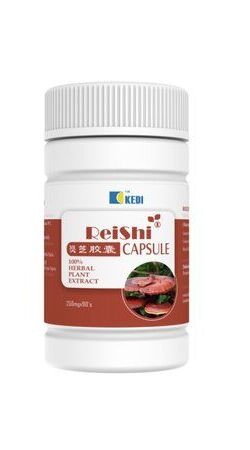
* Kedi Reishi: Known for its immune-modulating and anti-inflammatory properties, Reishi helps detoxify the body and support kidney health. Enhancing the body’s natural defense mechanisms may help address underlying infections and reduce urinary tract inflammation.
* Haemocare: This herbal formulation supports healthy blood function and circulation. It helps improve blood quality, strengthen the immune system, and promote overall systemic balance—important factors in comprehensive blood in urine treatment.
Herbal remedies often work by purifying the blood, improving renal filtration, and strengthening the body’s resilience. When used appropriately under professional guidance, they can complement conventional therapy and promote long-term urinary health.
Conclusion
Effective blood in urine treatment requires a comprehensive approach—diagnosing the root cause, applying targeted medical therapy, and supporting recovery with safe herbal options such as Kedi Reishi and Haemocare. Early intervention ensures better outcomes and protects long-term kidney and urinary health.
You can order Reishi and Haemocare herbal medicines to treat hematuria.
We offer member pricing to encourage patronage and to open an account with the company once you see results from our herbal medicines/food supplements. The prices for Reishi and Haemocare are N31,500 and N20,000, respectively, excluding delivery costs.
We offer prompt delivery of the product using courier services nationwide.
Call/Text/ WhatsApp/Telegram us on Mobile: 2348033205456/2348121325411, or email us for more information. Click Here.
Get Practical Health & Business Growth Tips
Join the NigeriaWebSuccess newsletter for practical health, wellness, health business, SEO, digital marketing, and AI growth insights designed for Nigerians.
Return to Nigeriaweb Sucess Home Page
EDUCATIONAL Mission Statement:
Our mission is to educate and empower individuals with practical knowledge about health, wellness, healthy lifestyle choices, preventive health practices, natural wellness strategies, and health business development—while providing the digital marketing and AI knowledge needed to build, grow, and sustain successful health-related ventures.
Join 1,500+ Nigerian Health Practitioners learning how to attract more patients, build authority, and increase income online.
Africa's Most Outstanding Herbal Health Consultant of the Year 2021




Download the FREE First Module

Kedi Product Price List From September 2023 to 2026

A Quote from Dr William Zhao (Founder and Chairman of Kedi Healthcare International)
Kedi Healthcare leads the way in the future of fulfillment, enriching lives around the globe through the safest, quickest, and most responsible approaches to poverty alleviation and sound health promotion.
Through our commitments to quality products, strong marketing strengths, constant innovation, and respect for nature, by unleashing the power of healthcare and forming a necessary axiom with a strategic partnership based on a shared set of values, we aim to exceed expectations and be rewarded with a smile.
We meet challenging goals by engaging the knowledge, talent, and passion of people who believe there is always a better way.
Your Dream + Our Team = A Powerful Synergy
Click here to Join the Business
P.S: Buy Kedi products directly from us and enjoy membership pricing, free consultations for direct customers, nationwide delivery, and ongoing WhatsApp support.