Bruxism Treatment: Causes, Symptoms, and Finding Relief
This article explains bruxism treatment, symptoms, and causes. Have you ever been told that you grind your teeth while sleeping? Or have you noticed this behaviour in someone else? The sound of grinding teeth at night may seem ordinary or even humorous. But it could indicate an underlying health problem and the root cause of that persisting headache.
What is bruxism?
It is a term used to describe a pattern of uncontrollable teeth grinding that occurs regularly at night while a person is asleep. When sleeping close to a person suffering from bruxism, the gnashing sound can be heard, which can be very discomforting for sleep.
Bruxism currently affects millions of people in Nigeria. The condition is becoming increasingly common among both adult males and females, and even among young children. It is more prevalent among people with a chipped or broken tooth.
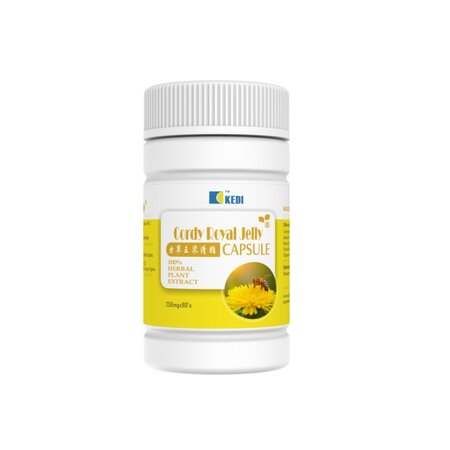 Cordy Royal jelly Capsule
Symptoms of bruxism
One of the most prevalent symptoms of bruxism is the presence of morning headaches. The forceful grinding and clenching that occur during sleep can exert significant pressure on the jaw muscles and temporomandibular joint (TMJ), leading to localized pain and tension that radiates into the head.
Furthermore, the constant movement of the upper and lower jaw bones strains the surrounding muscles and ligaments, resulting in pain and tenderness in the cheekbones and facial muscles.
Over time, the consistent grinding can wear down tooth enamel, leading to flattened, chipped, or even cracked teeth. This erosion of the protective enamel layer can expose the sensitive dentin underneath, making teeth more susceptible to pain, sensitivity, and cavities.
It's important to note that these are just some of the potential symptoms of bruxism. The severity and specific manifestations of the condition can vary significantly from person to person.
Causes of bruxism
Bruxism can likely result from the following:
Stress is the most common cause of the condition, as feelings of stress can trigger muscular spasms in the jaw that result in teeth grinding.
Sleep disorder: Bruxism has also been strongly linked with a sleep disorder. Studies have found that people suffering from sleep apnea have a higher risk of developing bruxism.
Chipped/Missing tooth: A chipped or missing tooth can cause dental irritation, leading a person to grind their teeth while asleep.
Medications: Certain drugs also have the side effect of causing bruxism in some people; this is common with antidepressants and amphetamines.
Heredity: The condition can be an inherited trait, as a family history of bruxism also predisposes some people to suffer from the condition.
Bruxism treatment
Bruxism may not be life-threatening, but it can cause toothaches, facial pains, and severe headaches, reducing your quality of life. So, finding an effective bruxism treatment becomes necessary, and some helpful methods include the following:
- Mouth guard: These are dental devices designed to protect tooth surfaces from grinding together and to hold the jaw firmly to prevent sleep bruxism.
- Adequate rest: It can also help to get enough sleep whenever possible to reduce body stress levels. It will help relax the muscles and stop irregular contractions. It’s a natural therapy for bruxism treatment.
- Dental supplements: Dental supplements derived from herbs have also been found to have high reversal rates in people suffering from bruxism.
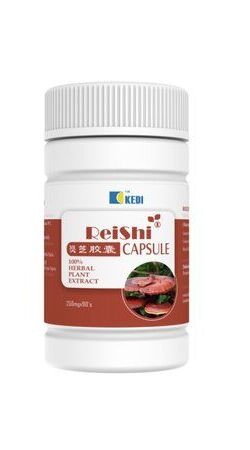
Exploring Cordy Royal Jelly for Bruxism
Kedi Cordy Royal Jelly is a dietary supplement that contains a blend of Cordyceps sinensis, Ginkgo biloba, and Royal Jelly.
- Cordyceps sinensis is a traditional Chinese medicinal mushroom used for centuries to enhance energy and vitality. Some studies suggest that it helps to reduce muscle fatigue and soreness, which could benefit people with bruxism who experience jaw pain and tension.
- Ginkgo biloba is an extract from a plant that has been used to improve blood circulation and cognitive function. Increased blood flow to the jaw muscles could help to relax them and reduce bruxism symptoms.
- Honeybees produce Royal Jelly to feed their queen. It is rich in nutrients and has been used to support overall health and well-being. Some studies show that it has anti-inflammatory properties, which could help to reduce inflammation in the jaw muscles associated with bruxism.
Tired of waking up with jaw pain and headaches from bruxism?
Discover the soothing power of Kedi Cordy Royal Jelly, a unique blend of Cordyceps sinensis, Ginkgo biloba, and Royal Jelly designed to help reduce jaw tension, muscle soreness, and morning headaches associated with teeth grinding.
Experience the benefits and unlock exclusive member pricing!
Please become a member after experiencing the effectiveness of our herbal products and enjoy ongoing discounts and special offers.
Order today!
- Price: N31,500 (excluding delivery)
- Delivery: N2,000 - N9,000 (depending on location)
Contact us for more information:
- Mobile: 2348033205456 / 2348121325411
- WhatsApp/Telegram: 2348033205456 / 2348121325411
- Email: [Our Email Address]
Start your journey to a more peaceful and pain-free sleep with Cordy Royal Jelly.
Get Practical Health & Business Growth Tips
Join the NigeriaWebSuccess newsletter for practical health, wellness, health business, SEO, digital marketing, and AI growth insights designed for Nigerians.
Return to Nigeriaweb Sucess Home Page
Return to Bad Mouth Odour Page
EDUCATIONAL Mission Statement:
Our mission is to educate and empower individuals with practical knowledge about health, wellness, healthy lifestyle choices, preventive health practices, natural wellness strategies, and health business development—while providing the digital marketing and AI knowledge needed to build, grow, and sustain successful health-related ventures.
Join 1,500+ Nigerian Health Practitioners learning how to attract more patients, build authority, and increase income online.
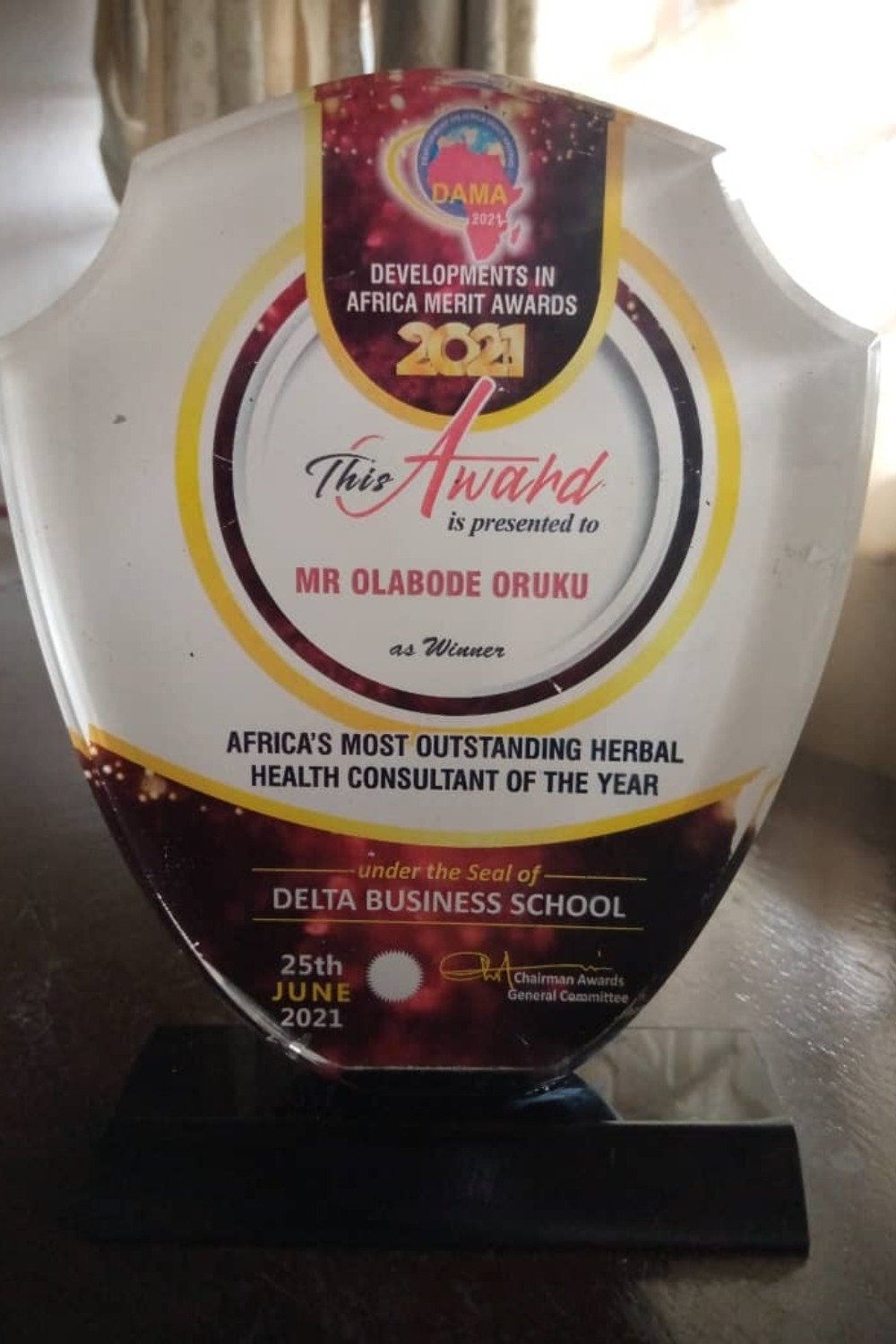
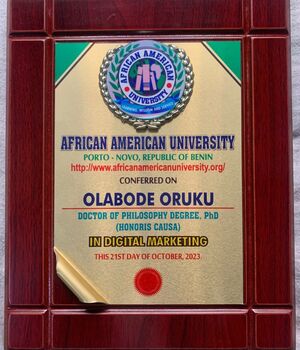
Africa's Most Outstanding Herbal Health Consultant of the Year 2021

Download the FREE First Module

Kedi Product Price List From September 2023 to 2026

A Quote from Dr William Zhao (Founder and Chairman of Kedi Healthcare International)
Kedi Healthcare leads the way in the future of fulfillment, enriching lives around the globe through the safest, quickest, and most responsible approaches to poverty alleviation and sound health promotion.
Through our commitments to quality products, strong marketing strengths, constant innovation, and respect for nature, by unleashing the power of healthcare and forming a necessary axiom with a strategic partnership based on a shared set of values, we aim to exceed expectations and be rewarded with a smile.
We meet challenging goals by engaging the knowledge, talent, and passion of people who believe there is always a better way.
Your Dream + Our Team = A Powerful Synergy
Click here to Join the Business
P.S: Buy Kedi products directly from us and enjoy membership pricing, free consultations for direct customers, nationwide delivery, and ongoing WhatsApp support.