Herbal Medicine for Hemorrhoids: Causes, Symptoms, Types, and Effective Treatment Options
Many people experience discomfort when using the toilet, but for individuals suffering from haemorrhoids, passing stool can become a painful and frustrating experience. Persistent pain, itching, swelling, and bleeding around the anus are common signs that should not be ignored. Fortunately, there are several treatment options available today, including the use of herbal medicine for hemorrhoids, which many people prefer because of its natural approach and reduced risk of harmful side effects.
This article explains what haemorrhoids are, their causes, symptoms, different types, and the available treatment options, including the benefits of herbal medicine for haemorrhoids.
What Are Haemorrhoids?
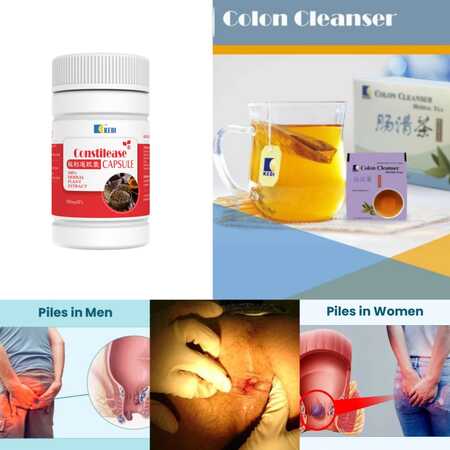
Haemorrhoids, also known as piles, are swollen or enlarged veins located in the lower rectum and anus. These veins become inflamed due to excessive pressure, leading to irritation, discomfort, and pain, especially during bowel movements.
Haemorrhoids can affect both men and women and may occur at almost any age. However, the condition is more common among older adults, pregnant women, overweight individuals, and people who frequently suffer from constipation.
The pain associated with haemorrhoids often becomes worse when passing hard stool. This is why proper diet, hydration, and healthy bowel habits are essential in preventing the condition. It is also advisable not to delay going to the toilet when there is an urge to defecate, as stool tends to become harder and drier when retained for too long.
Types of Haemorrhoids
There are two major types of haemorrhoids, and understanding them can help determine the most suitable treatment approach.
Internal Hemorrhoids
Internal haemorrhoids occur inside the rectum and are usually not visible from the outside. In many cases, they are painless because the rectum has fewer pain-sensitive nerves.
However, internal haemorrhoids can become painful when they protrude outside the anus due to excessive straining during bowel movements. This condition is known as prolapsed haemorrhoids and may cause severe discomfort, irritation, and bleeding.
External Hemorrhoids
External haemorrhoids develop beneath the skin surrounding the anus. Unlike internal haemorrhoids, they are visible and can be easily felt as swollen lumps around the anal area.
External haemorrhoids are often more painful because the skin around the anus contains numerous sensitive nerve endings. They may also bleed during bowel movements, which can cause significant itching, irritation, and discomfort when sitting.
Symptoms of Haemorrhoids
The symptoms of haemorrhoids vary depending on the type and severity of the condition. Some people may experience mild discomfort, while others may suffer from severe pain and bleeding.
Common symptoms include:
- Pain during bowel movements
- Itching around the anus
- Swollen lumps around the anal area
- Bright red blood in stool or on toilet tissue
- Irritation and inflammation around the anus
- Mucus discharge after passing stool
- Difficulty sitting comfortably
- Feeling of incomplete bowel evacuation
It is important to seek treatment early once these symptoms are noticed to prevent the condition from worsening.
Causes of Haemorrhoids
Several factors can increase pressure on the veins around the anus and rectum, leading to the development of haemorrhoids.
Ageing
Haemorrhoids are more common among adults between the ages of 45 and 65. As people age, the tissues supporting the veins in the rectum and anus become weaker and less elastic, making them more vulnerable to swelling.
Chronic Constipation
Constipation is one of the leading causes of haemorrhoids. Hard and dry stool requires excessive straining during bowel movements, which increases pressure on the rectal veins.
Chronic Diarrhoea
Frequent bowel movements associated with chronic diarrhoea can also irritate and strain the veins around the anus, contributing to haemorrhoids.
Pregnancy
Pregnant women commonly experience haemorrhoids due to the pressure exerted by the growing uterus on the veins in the pelvic area. Hormonal changes and constipation during pregnancy may also contribute to the condition.
Obesity
Excess body weight increases pressure on the pelvic and rectal veins, making overweight individuals more susceptible to haemorrhoids.
Sitting for Long Periods
Prolonged sitting, especially on toilet seats, can increase pressure around the anal veins and contribute to swelling and inflammation.
Low-Fibre Diet
A diet lacking in fibre can cause constipation and hard stools, increasing the likelihood of haemorrhoids. Processed foods and inadequate water intake can worsen this problem.
Anal Intercourse
Anal sex may irritate the tissues and veins surrounding the anus and rectum, potentially contributing to haemorrhoid formation.
Hereditary Factors
Some individuals may inherit a genetic tendency toward weak vein walls, making them more likely to develop haemorrhoids.
Herbal Medicine for Hemorrhoids
Many individuals are now turning to herbal medicine for hemorrhoids because of its natural healing properties and reduced risk of harmful side effects. Herbal remedies are commonly used to reduce inflammation, improve bowel movement, support healthy blood circulation, and relieve pain associated with haemorrhoids.
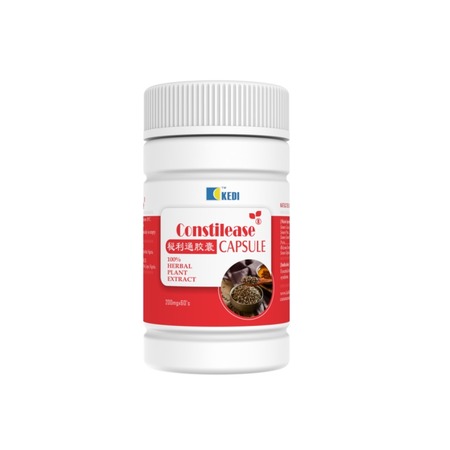
One commonly used herbal product is Constilease capsules, manufactured by Kedi Healthcare. The product is formulated with natural herbal ingredients known for their anti-inflammatory and digestive-support properties.
The anti-inflammatory effects help reduce swelling and irritation around the rectal veins, while its bowel-supporting properties may help soften stool and reduce straining during defecation. Herbal medicine for hemorrhoids may also help improve digestion and support healthier bowel habits, which are essential for long-term relief.
Many people prefer herbal treatments because they focus not only on symptom relief but also on addressing some of the underlying digestive and inflammatory conditions contributing to haemorrhoids.
Other Treatment Options for Haemorrhoids
Although herbal medicine for hemorrhoids is widely used, there are other treatment approaches depending on the severity of the condition.
Medications
Doctors may prescribe medications such as:
- Hydrocortisone creams and ointments
- Pain relievers like ibuprofen
- Stool softeners
- Medicated suppositories
Warm sitz baths are also commonly recommended to reduce pain and swelling.
Non-Surgical Procedures
For moderate haemorrhoids, certain minimally invasive procedures may be used.
Rubber Band Ligation
This method involves placing a small rubber band around the base of the haemorrhoid to cut off the blood supply. The haemorrhoid eventually shrinks and falls off.
Sclerotherapy
In this procedure, a special solution is injected into the haemorrhoid to shrink the swollen veins.
Surgical Treatment
Severe or persistent haemorrhoids may require surgery known as haemorrhoidectomy. This procedure removes the enlarged veins and is often recommended when other treatment methods fail.
Tips for Preventing Haemorrhoids
Preventing haemorrhoids is often easier than treating them. The following lifestyle habits may help reduce the risk:
- Eat fibre-rich foods such as fruits, vegetables, and whole grains
- Drink plenty of water daily
- Avoid excessive straining during bowel movements
- Exercise regularly
- Avoid sitting for prolonged periods
- Respond promptly to the urge to use the toilet
- Maintain a healthy body weight
Order Constilease to relieve constipation and support your digestive health
Constilease capsules help relieve constipation, make bowel movements smoother, and naturally improve your digestive health. They are designed to support healthy bowel function and ease the discomfort associated with hard stools or irregularity.
We offer special prices for members so more people can try our supplements and see the benefits for themselves. Many customers choose to remain members after experiencing positive results with Constilease.
Constilease costs N24,000, not including delivery.
We deliver quickly and reliably across Nigeria using trusted couriers. Delivery fees range from N2,000 to N12,000, depending on your location.
To order, ask questions, or get advice, please call, text, WhatsApp, or message us on Telegram at:
2348033205456
2348121325411
You can also email us for more details or use the link below to order now.

Dr. Olabode Oruku
Licensed Herbal Practitioner | Health & Wealth Coach
Dr. Olabode Oruku is a licensed herbal practitioner certified by the
Lagos State Traditional Herbal Medicine Board and the founder of
Oruku Alternative Healthcare in Lagos, Nigeria. He was honoured as
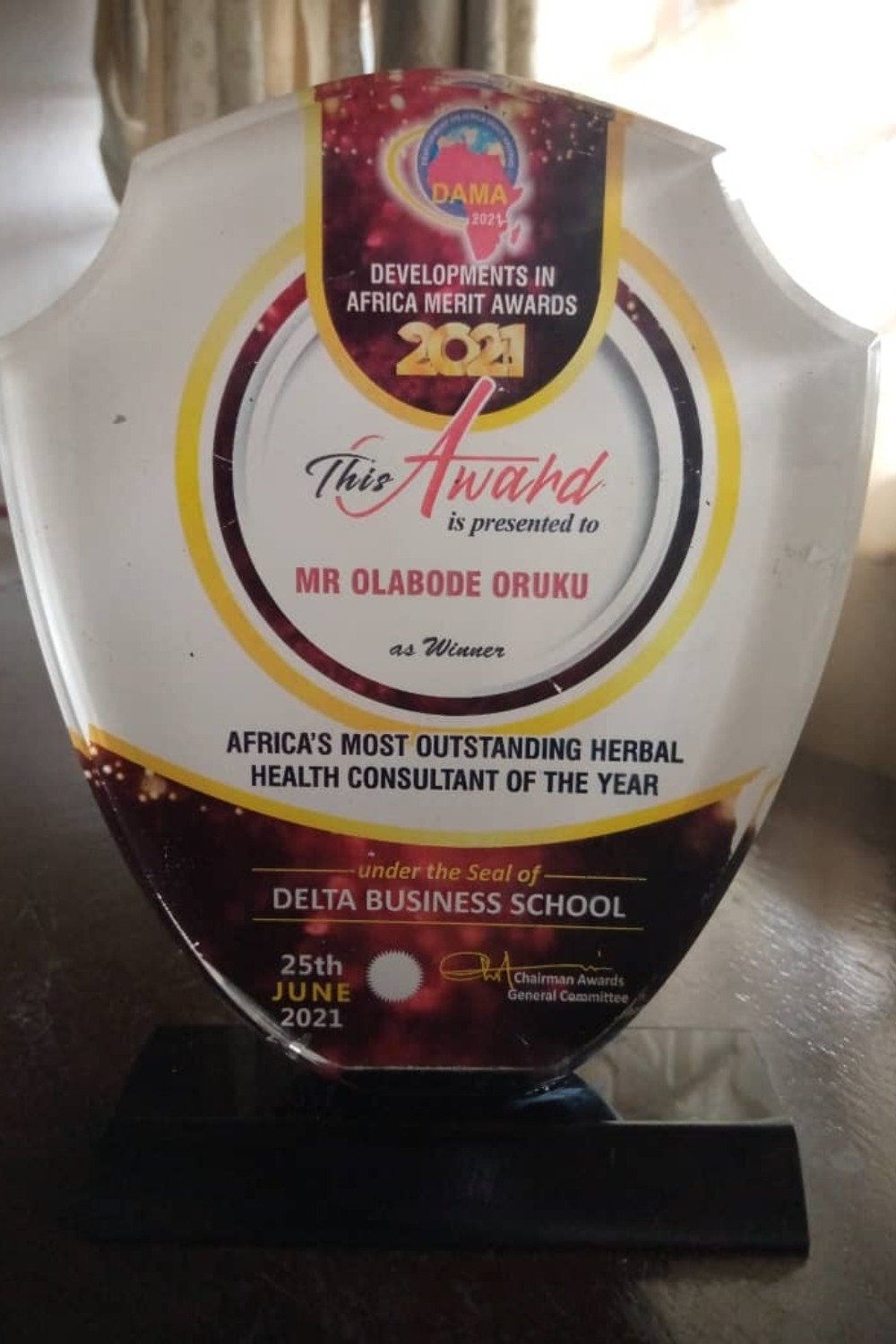
Africa’s Most Outstanding Herbal Health Consultant of the Year
(Delta Business School – 25 June 2021).
He also received an Honorary PhD in Digital Marketing from Africa.
American University on 21 October 2023, for his contributions to
digital marketing education and entrepreneurship training.
Through NigeriaWebSuccess.com, he shares educational resources on
natural health, preventive wellness, and personal development.
Get Practical Health & Business Growth Tips
Join the NigeriaWebSuccess newsletter for practical health, wellness, health business, SEO, digital marketing, and AI growth insights designed for Nigerians.
Return to Nigeriaweb Success Home Page
EDUCATIONAL Mission Statement:
Our mission is to educate and empower individuals with practical knowledge about health, wellness, healthy lifestyle choices, preventive health practices, natural wellness strategies, and health business development—while providing the digital marketing and AI knowledge needed to build, grow, and sustain successful health-related ventures.
Join 1,500+ Nigerian Health Practitioners learning how to attract more patients, build authority, and increase income online.
Africa's Most Outstanding Herbal Health Consultant of the Year 2021


Download the FREE First Module

Kedi Product Price List From September 2023 to 2026

A Quote from Dr William Zhao (Founder and Chairman of Kedi Healthcare International)
Kedi Healthcare leads the way in the future of fulfillment, enriching lives around the globe through the safest, quickest, and most responsible approaches to poverty alleviation and sound health promotion.
Through our commitments to quality products, strong marketing strengths, constant innovation, and respect for nature, by unleashing the power of healthcare and forming a necessary axiom with a strategic partnership based on a shared set of values, we aim to exceed expectations and be rewarded with a smile.
We meet challenging goals by engaging the knowledge, talent, and passion of people who believe there is always a better way.
Your Dream + Our Team = A Powerful Synergy
Click here to Join the Business
P.S: Buy Kedi products directly from us and enjoy membership pricing, free consultations for direct customers, nationwide delivery, and ongoing WhatsApp support.