Migraine Headache Treatment Options: Medications, Supplements & Lifestyle Changes
This article explains migraine headache treatment, symptoms and causes. Sometimes, not every pain in your head should be classified as a common headache. For instance, these pulsating pains occur in particular head areas and seem to happen regularly. When the intensity of the ache is worsened by any movement, noise or bright light, it is most likely an episode of a migraine.
What is a migraine?
A migraine is an intense, pounding headache that may or may not begin with light flashes or an ‘aura’. The pains usually pulsate, starting in the forehead and spreading to the temples and even the eyes. Migraine headaches begin as slight pains and then worsen to become more intense.
Migraines occur in regular episodes and could be yearly, weekly or daily. And more women tend to have migraines than men due to fluctuations in their hormonal levels. A migraine attack can momentarily cease body movements, affecting your work or any other activities.
Depending on the signs before an attack, migraine headaches are classified into two types. These classic migraines begin with flashes of light, colours or dark spots known as aura, and common migraines occur without aura and start with dull pains before intensifying. They typically last longer than classic migraines.
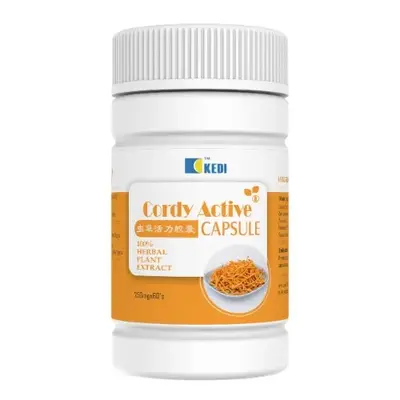 Cordy Active Capsule
Symptoms of migraines
Migraine headaches are always intense but may have different symptoms in different people. Some people first feel specific signals hours before a migraine attack. These can include auras, fatigue, thirst or mood swings. Generally, the common symptoms of migraines include the following:
- Dull or pounding aches on one or both sides of the head
- Headaches that get worse with light, noise or physical activity
- Blurred vision and blind spots
- Nausea or vomiting
- Feeling tired and confused
- Stiff neck
Understanding Migraine Headache Treatment, Causes and Risk Factors
Migraine headaches are a debilitating neurological condition affecting millions worldwide. While the precise mechanisms behind migraines remain under investigation, medical experts have identified several key factors and potential triggers.
The Role of Serotonin in Migraine Development
One prominent theory centres around the neurotransmitter serotonin. Fluctuations in serotonin levels are believed to play a significant role in migraine onset.
- Serotonin's Impact on Blood Vessels: A sudden increase in serotonin can lead to vasoconstriction or the narrowing of blood vessels.Conversely, a subsequent decrease in serotonin may cause vasodilation or the widening of blood vessels.This dilation can trigger inflammation and swelling around the blood vessels in the brain, potentially activating pain receptors and contributing to the characteristic throbbing pain of migraines.
Key Migraine Risk Factors
Beyond serotonin fluctuations, several established risk factors increase an individual's susceptibility to migraines:
- Genetic Predisposition (Family History): A strong family history of migraines significantly elevates the risk of developing the condition. It suggests a genetic component to migraine susceptibility.
- Female Gender: Women are disproportionately affected by migraines, indicating hormonal influences may play a role. Fluctuations in estrogen levels, particularly during menstruation, pregnancy, and menopause, are often implicated.
- Age: While migraines can occur at any age, they are most prevalent during young adulthood and middle age. However, migraines can still affect older adults.
- Triggers: While not direct causes, several triggers can precipitate a migraine attack in susceptible individuals. Common triggers include:StressChanges in sleep patternsCertain foods and beverages (e.g., aged cheese, red wine, caffeine)Sensory stimuli (e.g., bright lights, strong smells)Weather changes
Effective Migraine Headache Treatments: Medications, Supplements, and Lifestyle Approaches
Migraine headaches can significantly disrupt daily life. Fortunately, a range of treatment options are available to manage and prevent these debilitating episodes.
1. Pharmaceutical Migraine Treatments (Medications):
- Abortive Medications (Acute Treatment): These medications are designed to relieve migraine symptoms once they begin.Examples include:Over-the-counter pain relievers (e.g., ibuprofen, naproxen sodium)Triptans (e.g., sumatriptan, rizatriptan) target serotonin receptors to constrict blood vessels and reduce inflammation.Anti-nausea medications are often used in conjunction with pain relievers.The goal is to stop the migraine in its tracks and minimize pain and associated symptoms.
- Prophylactic Medications (Preventive Treatment): These medications are taken regularly to reduce the frequency, severity, and duration of migraine attacks.Examples include:Beta-blockers (e.g., propranolol, metoprolol)Anticonvulsants (e.g., topiramate, valproate)Antidepressants (e.g., amitriptyline)Prophylactic treatment is often recommended for individuals experiencing frequent or severe migraines.
2. Natural and Complementary Migraine Treatments:
- Herbal Supplements: Certain herbs possess anti-inflammatory and soothing properties that may help alleviate migraine symptoms.Examples include:Ginger: Known for its anti-nausea and pain-relieving effects.Butterbur: Research suggests it can be effective for migraine prevention.Lavender oil: Often used for its calming and relaxation properties, particularly in aromatherapy.Coriander seeds: Some traditional medicine practices use this for pain relief.Lifestyle and Complementary Therapies: Massage Therapy Can help relieve muscle tension and reduce stress, both of which can trigger migraines.Yoga and Meditation: Stress reduction techniques can be beneficial for managing migraine frequency and intensity.
3. Acupuncture: Some individuals find relief from migraine pain through acupuncture.
Unlock Migraine Relief & Exclusive Member Benefits!
Tired of debilitating migraines? Discover the natural power of KEDI Cordy Active and reclaim your life! This potent migraine dietary supplement, formulated with Cordyceps Sinensis, zinc, and vital antioxidants, offers a holistic approach to migraine prevention and relief.
Why Choose KEDI Cordy Active?
- Natural Migraine Support: Experience relief without harsh chemicals.
- Beyond Migraines: Enjoy added benefits for cardiovascular health and anti-aging.
- Proven Ingredients: Trust in the power of Cordyceps Sinensis and essential nutrients.
Special Offer: Experience the Difference & Become a Member!
We're so confident you'll love Cordy Active that we offer it at exclusive member prices! Join our community, experience remarkable results, and unlock significant savings and benefits.
Your Investment in Wellness:
Cordy Active is available for just N19,000. Delivery is fast and reliable, with courier services ranging from N2,000 to N9,000, depending on your location.
Ready to Experience Migraine Relief?
Don't let migraines control your life any longer.
- Call/Text/WhatsApp/Telegram us now: +2348033205456 / +2348121325411
- Could you email us for more information? Click Here.
Invest in your health today and experience the KEDI difference!
How To Train Your Brain To Be Smarter
Get Practical Health & Business Growth Tips
Join the NigeriaWebSuccess newsletter for practical health, wellness, health business, SEO, digital marketing, and AI growth insights designed for Nigerians.
Return to Nigeriaweb Success Home Page
Return to Cardiovascular Diseases and Treatment Page
EDUCATIONAL Mission Statement:
Our mission is to educate and empower individuals with practical knowledge about health, wellness, healthy lifestyle choices, preventive health practices, natural wellness strategies, and health business development—while providing the digital marketing and AI knowledge needed to build, grow, and sustain successful health-related ventures.
Join 1,500+ Nigerian Health Practitioners learning how to attract more patients, build authority, and increase income online.
Africa's Most Outstanding Herbal Health Consultant of the Year 2021




Download the FREE First Module

Kedi Product Price List From September 2023 to 2026

A Quote from Dr William Zhao (Founder and Chairman of Kedi Healthcare International)
Kedi Healthcare leads the way in the future of fulfillment, enriching lives around the globe through the safest, quickest, and most responsible approaches to poverty alleviation and sound health promotion.
Through our commitments to quality products, strong marketing strengths, constant innovation, and respect for nature, by unleashing the power of healthcare and forming a necessary axiom with a strategic partnership based on a shared set of values, we aim to exceed expectations and be rewarded with a smile.
We meet challenging goals by engaging the knowledge, talent, and passion of people who believe there is always a better way.
Your Dream + Our Team = A Powerful Synergy
Click here to Join the Business
P.S: Buy Kedi products directly from us and enjoy membership pricing, free consultations for direct customers, nationwide delivery, and ongoing WhatsApp support.