Benefits of Herbal Medicine: Understanding Natural Approaches to Health and Wellness
This content explains the benefits of herbal medicine. Herbal medicine has played an important role in healthcare for thousands of years. Across Africa, Asia, Europe, and other parts of the world, different communities have relied on medicinal plants as part of their traditional approaches to maintaining health and managing illnesses.
Today, interest in herbal medicine continues to grow as more people explore natural healthcare options, preventive wellness practices, and traditional approaches to health.
But what are the actual benefits of herbal medicine? How can medicinal plants support human health, and what should you consider before using herbal remedies?
At Oruku Alternative Healthcare, we believe traditional herbal medicine deserves understanding, respect, and responsible practice. Our approach combines traditional health knowledge with nutritional education, lifestyle guidance, and an appreciation of modern scientific developments.
This article explores the potential benefits of herbal medicine, its applications in healthcare, and the importance of choosing quality herbal products and seeking appropriate professional guidance.
What Is Herbal Medicine?
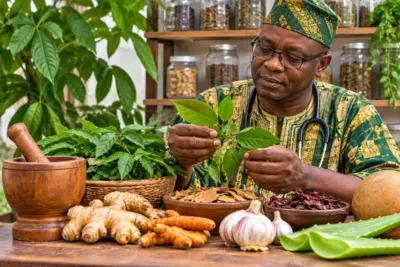
Herbal medicine is a traditional healthcare approach that uses plants or plant-derived substances for health-related purposes.
These substances may come from different parts of plants, including:
- Roots and tubers.
- Leaves and stems.
- Flowers and seeds.
- Fruits and bark.
- Plant extracts and essential oils.
Herbal preparations come in different forms, including teas, powders, capsules, tablets, extracts, creams, and liquid formulations.
African traditional medicine, Chinese herbal medicine, and India’s Ayurvedic tradition are examples of established healthcare systems in which medicinal plants have important roles.
Although these traditions have developed independently, they share an appreciation of the relationship between natural resources, lifestyle and human wellbeing.
7 Important Benefits of Herbal Medicine
Herbal medicine offers several potential benefits when selected and used appropriately. However, the effects depend on the particular plant, preparation, dosage, quality, and health condition being considered.
Let’s look at some of its key contributions to healthcare.
1. Provides Access to Plant-Based Healthcare Options
One of the major benefits of herbal medicine is the availability of plant-based substances that have been used in traditional healthcare for generations.
Many medicinal plants contain naturally occurring compounds that researchers continue to investigate for their biological activities.
Examples include:
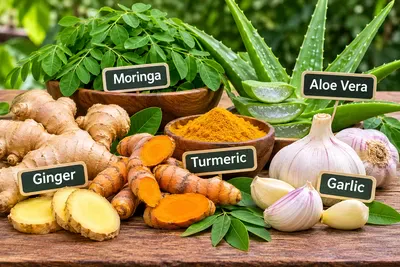
- Ginger: Traditionally used for digestive discomfort and nausea. Some preparations have clinical evidence supporting relief of certain types of nausea.
- Turmeric: Contains curcuminoids, including curcumin, which have been studied for their anti-inflammatory and antioxidant activities.
- Garlic: Contains sulfur compounds that have been investigated for their possible cardiovascular effects.
- Aloe vera: Used in traditional preparations for skin care and other applications, although its benefits depend on the preparation and intended use.
- Moringa: Contains various nutrients and plant compounds and is used in traditional diets and wellness practices.
These examples demonstrate why medicinal plants continue to attract interest in traditional healthcare and scientific research.
2. Supports Interest in Preventive Healthcare
Herbal medicine is often incorporated into broader approaches to maintaining health and well-being.
Some medicinal plants contain antioxidants and other biologically active compounds that researchers study for their potential roles in supporting normal body functions.
However, herbal supplements do not guarantee protection against disease.
Preventive healthcare should also include:
- Eating a balanced and nutritious diet.
- Engaging in regular physical activity.
- Getting adequate sleep.
- Maintaining a healthy body weight.
- Managing stress.
- Attending appropriate medical checkups.
Herbal preparations may form part of an individual’s wellness choices, but they should not replace established preventive healthcare measures.
3. Preserves Valuable Traditional Medical Knowledge
Herbal medicine represents an important part of the cultural and healthcare heritage of many communities.
In Nigeria, indigenous medicinal plants have been used in traditional healthcare for generations. Chinese traditional medicine and Indian Ayurvedic medicine also have extensive histories of medicinal plant use.
Preserving this knowledge is important for cultural heritage, research, and the responsible development of traditional medicine.
However, traditional use alone does not establish that a remedy is effective or safe for every condition. Documenting traditional knowledge and subjecting health claims to appropriate scientific evaluation are important steps towards responsible practice.
4. Offers Opportunities for Research and Medical Development
Herbal medicine also contributes to pharmaceutical and medical research.
Some modern medicines originate from natural substances, including compounds identified through the study of medicinal plants.
Researchers investigate plants to identify their active constituents, understand how they work, and determine whether they can be developed into useful treatments.
This relationship between traditional knowledge and scientific research demonstrates why medicinal plants deserve continued investigation.
It also highlights the importance of distinguishing between a plant’s traditional use, promising laboratory findings, and treatments supported by reliable clinical evidence.
5. Provides Different Forms of Health and Wellness Preparations
Herbal products are available in several formulations, making them accessible through different delivery methods.
Depending on the product, these may include:
- Herbal teas and infusions.
- Capsules and tablets.
- Liquid herbal extracts.
- Herbal powders.
- Topical creams and balms.
Proper formulation, ingredient identification, manufacturing standards, dosage information, and product quality are important considerations.
Consumers should buy products from reputable sources and check their regulatory status, labeling, ingredients, and instructions before use.
6. Encourages a Holistic Approach to Health
Traditional herbal healthcare often views health in the wider context of an individual’s lifestyle and overall well-being.
This perspective encourages attention to factors such as:
- Nutrition and dietary habits.
- Physical activity.
- Rest and sleep.
- Emotional wellbeing.
- Stress management.
- Environmental and lifestyle influences.
This broader approach is valuable because health is influenced by several interconnected factors.
However, herbal preparations should not be assumed to correct every underlying health problem. Persistent symptoms and chronic illnesses require appropriate medical assessment.
7. Supports the Development of Traditional Medicine
Growing interest in traditional medicine creates opportunities for research, professional education, product development, and the preservation of medicinal plant resources.
In Nigeria, regulatory institutions and healthcare authorities have continued to emphasize the importance of improving traditional medicine through standardization, safety evaluation, quality assurance, and professional practice.
This development is important for building public confidence and ensuring that traditional healthcare products and services meet appropriate standards.
Herbal Medicine and Modern Healthcare: Can They Work Together?
Herbal medicine and modern healthcare don't have to be seen as opposing approaches.
Some patients use traditional herbal preparations alongside conventional medical care. However, combining treatments requires care because certain herbs can interact with prescription medicines, alter their effects, or increase the risk of adverse reactions.
For example, some herbal products may affect blood clotting, blood pressure, blood sugar, or the way the body processes medicines.
Therefore:
- Inform your doctor or pharmacist about every herbal product and supplement you use.
- Do not discontinue prescribed medication because you intend to use herbal remedies.
- Seek professional advice before combining herbal products with prescription medicines.
- Avoid products with unclear ingredients or unsupported medical claims.
- Seek medical attention when symptoms are severe, persistent, or worsening.
Responsible healthcare should prioritize the individual's safety and well-being.
How to Choose Quality Herbal Medicines
Not all herbal products are manufactured to the same standards. The quality of a herbal preparation can vary by plant source, manufacturing process, storage conditions, and formulation.
Before purchasing a herbal product, consider the following:
1. Check the ingredients: Choose products with clearly identified ingredients and understandable labels.
2. Check regulatory information: In Nigeria, verify the product’s NAFDAC registration or listing status, as applicable. Registration or listing should not be interpreted as proof that a product cures every condition advertised.
3. Buy from reputable suppliers: Avoid products with exaggerated claims, unknown manufacturers, or questionable packaging.
4. Follow usage instructions: Do not assume that taking a larger quantity will produce better results.
5. Consider possible interactions: Certain herbs may interact with medicines or may not be appropriate during pregnancy, breastfeeding, or particular medical conditions.
6. Seek qualified guidance: Consult an appropriate healthcare professional when you are uncertain about the suitability of a herbal preparation.
These precautions help consumers make more informed decisions about natural healthcare products.

Why Professional Guidance Matters When Using Herbal Medicine
The increasing availability of herbal supplements makes it easy for people to purchase products without understanding their ingredients, intended uses, or potential risks.
Professional guidance can help individuals make better-informed decisions.
A responsible herbal health consultation should consider:
- The individual’s health concerns and medical history.
- Existing medications and supplements.
- Dietary and lifestyle habits.
- Known allergies and possible contraindications.
- The quality and intended use of the herbal product.
At Oruku Alternative Healthcare, we promote responsible natural health education, herbal product awareness, nutritional guidance, and informed wellness decisions.
Dr. Olabode Oruku is a certified herbal consultant and a licensed practitioner of the Lagos State Traditional Medicine Board.
Our philosophy emphasizes respect for traditional medical knowledge, professional responsibility, product quality, and the importance of appropriate medical care.
Frequently Asked Questions About the Benefits of Herbal Medicine
What are the main benefits of herbal medicine?
Herbal medicine provides plant-based healthcare options, preserves traditional medical knowledge, supports research into medicinal plants, and offers preparations that may help with particular health concerns. Its benefits depend on the specific herb, preparation, and available evidence.
Is herbal medicine safer than conventional medicine?
Not necessarily. Natural substances can have side effects, cause allergic reactions, and interact with prescription medicines. Safety depends on the substance, dosage, product quality, and individual health circumstances.
Can herbal medicine treat chronic diseases?
Some herbal preparations have evidence supporting particular health applications, but herbal medicine should not be presented as a universal cure for chronic diseases. Conditions such as diabetes, hypertension, and heart disease require appropriate medical diagnosis, monitoring, and treatment.
Can I take herbal medicine with conventional drugs?
Some herbal products can interact with conventional medicines. Always inform your doctor or pharmacist about the herbal products and supplements you use before combining treatments.
Are all herbal medicines approved by NAFDAC?
Herbal medicines and dietary supplements marketed in Nigeria are subject to applicable regulatory requirements. NAFDAC provides different regulatory pathways, including registration and listing. Consumers should check the actual regulatory status of individual products.
Where can I obtain reliable information about herbal medicine?
You can consult qualified healthcare professionals, recognized traditional medicine practitioners, reputable scientific publications, and regulatory authorities such as NAFDAC and the World Health Organization.
Explore Natural Health and Wellness With Oruku Alternative Healthcare
Understanding herbal medicine is an important step towards making informed decisions about your health.
Whether you are interested in traditional herbal medicine, nutritional wellness, quality herbal products, or responsible natural healthcare practices, approach these subjects with the right information and professional guidance.
At Oruku Alternative Healthcare, we are committed to promoting responsible herbal health education and helping individuals understand their natural healthcare options.
Would you like to learn more about herbal products and natural wellness?
Contact us for information about our available products, consultations, and wellness education services.
Call or WhatsApp: +234 803 320 5456
Alternative contact: +234 812 132 5411
Website: NigeriaWebSuccess.com
Make informed choices. Respect traditional knowledge. Put your health and safety first.

Dr. Olabode Oruku
Licensed Herbal Practitioner | Health & Wealth Coach | Digital Marketing Trainer
Dr. Olabode Oruku is a licensed herbal practitioner certified by the
Lagos State Traditional Herbal Medicine Board and the founder of
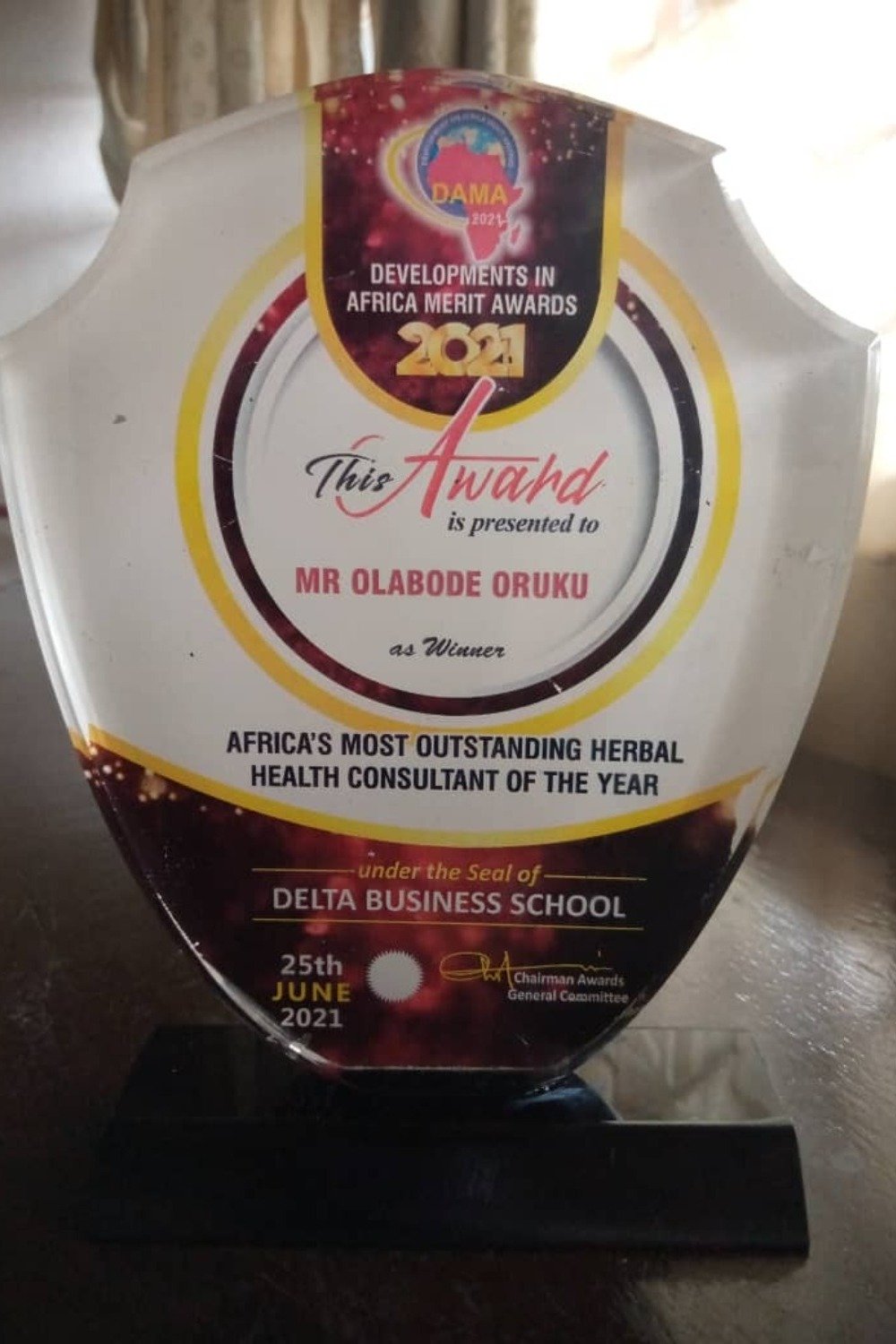
Oruku Alternative Healthcare in Lagos, Nigeria. He was honored as
Africa’s Most Outstanding Herbal Health Consultant of the Year
(Delta Business School – 25 June 2021).
He also received an Honorary PhD in Digital Marketing from Africa
American University on 21 October 2023, for his contributions to
digital marketing education and entrepreneurship training.
Through NigeriaWebSuccess.com, he shares educational resources on
natural health, preventive wellness, and personal development.
Get Practical Health & Business Growth Tips
Join the NigeriaWebSuccess newsletter for practical health, wellness, health business, SEO, digital marketing, and AI growth insights designed for Nigerians.
Return to Nigeriaweb Success Home Page
Return to Alternative Healthcare Treatment Page
EDUCATIONAL Mission Statement:
Our mission is to educate and empower individuals with practical knowledge about health, wellness, healthy lifestyle choices, preventive health practices, natural wellness strategies, and health business development—while providing the digital marketing and AI knowledge needed to build, grow, and sustain successful health-related ventures.
Join 1,500+ Nigerian Health Practitioners learning how to attract more patients, build authority, and increase income online.
Africa's Most Outstanding Herbal Health Consultant of the Year 2021


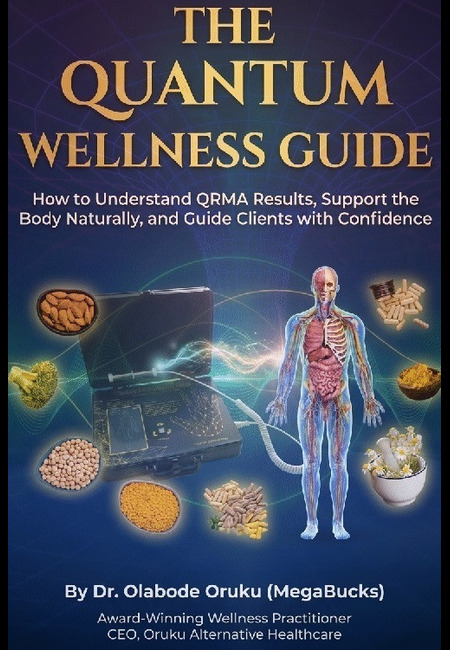

Download the FREE First Module
