Cholera Treatment Explained: Recognizing Symptoms and Causes
This article explains cholera treatment, symptoms, and causes. Throughout history, virulent diseases have spread quickly, causing epidemics that threaten to wipe out large sections of the human population. Cholera is a highly infectious disease; it can cause medical emergencies in countries, especially across Africa, where the disease still infects millions yearly. But the condition is easy to prevent and treat. You can free yourself and your family from cholera by knowing more about its mode of infection and available treatment options.
What is cholera?
Cholera is an acute infectious disease caused by the bacterium Vibrio cholerae, which grows, multiplies, and spreads quickly among humans living in areas with poor sanitary practices. It is associated with severe dehydration, watery diarrhoea, and loss of electrolytes. It is a fatal disease; once infected, a healthy adult can die within a few hours if left untreated, and the fatality rates are much higher in children and infants.
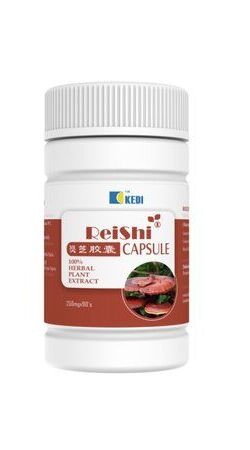 REishi Capsule
Symptoms of Cholera: Recognizing the Signs of a Rapidly Progressing Illness
Once an individual is infected with the Vibrio cholerae bacterium, the onset of cholera symptoms can range from a few hours to five days. While some individuals may experience mild or even asymptomatic infections, others can develop a severe and rapidly debilitating illness. Recognizing the characteristic symptoms of cholera is crucial for prompt diagnosis and timely intervention, which improves outcomes and reduces the risk of complications. The symptoms of cholera include:
- Profuse Watery Diarrhoea (Rice Water Stools): This is the most distinctive and often the first noticeable symptom. The diarrhoea is typically copious, thin, and pale, resembling the water that has been used to rinse rice – hence the term "rice water stools." It is generally odourless, unlike typical faeces, and can occur frequently and in large volumes, sometimes exceeding a litre per hour in severe cases. This relentless fluid loss is the primary driver of the subsequent and dangerous dehydration.
- Severe Dehydration and Electrolyte Imbalance: The massive loss of fluids through diarrhoea and vomiting quickly leads to severe dehydration. It manifests in several ways:
- Dry Mouth and Excessive Thirst: The body's attempt to compensate for fluid loss results in intense thirst and a noticeably dry mucous membrane in the mouth.
- Sunken Eyes: The loss of fluid volume causes the eyes to appear recessed and surrounded by dark circles.Reduced or Absent Sweating: As the body conserves fluid, normal sweating may cease.
- Dizziness and Lightheadedness: Reduced blood volume leads to a drop in blood pressure, causing dizziness, primarily upon standing.
- Rapid Heart Rate (Tachycardia): The heart works harder to pump the reduced blood volume.
- Loss of Skin Elasticity (Poor Skin Turgor): When pinched, the skin takes longer than usual to return to its normal position, indicating dehydration.
- Reduced Urine Output (Oliguria): The kidneys attempt to conserve water by producing less urine.
- Rapid Weight Loss: The significant fluid loss results in a quick and noticeable decrease in body weight.
- Nausea and Vomiting: Vomiting often accompanies the diarrhoea, further contributing to fluid and electrolyte loss and accelerating dehydration. The vomitus may initially contain food particles but soon becomes watery and bilious.
- Muscle Cramps (Leg Cramps): The loss of essential electrolytes, particularly sodium, potassium, and chloride, can lead to painful muscle cramps, commonly affecting the legs.
Causes of cholera
The bacterium V. cholerae is responsible for causing the disease. It thrives and spreads rapidly in dense human populations and poor sanitation. Human infection is mainly caused by ingesting food and water that bacteria have contaminated.
The bacterial infection can also spread through poorly cooked vegetables and seafood like oysters and crabs.
Cholera Treatment
It has high fatality rates, and the fact that symptoms of cholera start developing after the infection has been in the body for between 12 hours and 5 days. Cholera treatment should be done immediately after these symptoms are noticed. The most common treatment measures include the following:
Rehydration therapy: Cholera causes severe dehydration as the body loses up to 20 litres of fluid daily, which can result in shock and death. The first line of cholera treatment usually involves oral rehydration therapy (ORT), where water is mixed with salt and sugar and given to the patient. A quick homemade salt-sugar solution can be administered. Or buy from medicine stores.
Medication: Several drugs are available for cholera treatment, mostly antibacterial and anti-diarrhoea. However, some might not be effective in clearing the body system of bacteria, as there has been a rise in drug-resistant strains of V. cholerae.
Herbal remedy: Herbal medicines have effectively treated cholera, especially in African communities where conventional drugs are not widely available. The strong antibacterial properties of these herbs have more efficacy than synthetic alternatives, and they can rid the body of bacteria and boost the immune system against recurrent infections.
As with all diseases, prevention remains the best way to combat the spread of cholera. Imbibe frequent hand washing habits, drink boiled water or that from clean sources, and cook all foods properly before eating.
Kedi Reishi for Cholera Treatment
While conventional medical approaches like rehydration therapy and antibiotics are the established primary treatments for cholera, some alternative and complementary approaches, including the use of herbal remedies like Reishi mushroom (Ganoderma lucidum), have been explored in traditional medicine. Kedi Healthcare offers a Reishi capsule product that supports the body's response to various health challenges.
Potential Mechanisms of Reishi in Cholera Treatment Support
Reishi mushroom is known for its diverse bioactive compounds, including polysaccharides, triterpenoids, and peptidoglycans, which have been studied for their potential immunomodulatory, antioxidant, and even antimicrobial properties. In the context of cholera, the potential benefits of Reishi include:
- Immune System Support: Cholera infection can overwhelm the immune system. Reishi's purported ability to modulate immune responses could help the body mount a more effective defense against the Vibrio cholerae bacteria and manage the infection's impact.
- Anti-inflammatory Effects: The severe diarrhoea associated with cholera can lead to inflammation in the gut. Studies suggest Reishi possesses anti-inflammatory properties that help soothe the gastrointestinal tract during infection.
- General Well-being and Recovery: Cholera can severely weaken the body. Reishi's reputation as an adaptogen might aid in promoting overall well-being and supporting the body's recovery process after the acute phase of the infection.
Seeking Natural Support for Cholera Recovery? Discover the Power of Reishi.
Many have found Reishi to be a valuable addition to their wellness journey. Experience the potential benefits for yourself with our Reishi at ₦29,000. We're confident in its effects – become a member after you see the positive results and unlock exclusive member pricing on future purchases!
Ready to learn more or place an order? Contact us via Call/Text/WhatsApp/Telegram: +2348033205456 / +2348121325411 or email us. [Click Here for More Information]
Infection control and prevention (home study course)
Get Practical Health & Business Growth Tips
Join the NigeriaWebSuccess newsletter for practical health, wellness, health business, SEO, digital marketing, and AI growth insights designed for Nigerians.
Return to Nigeriaweb Success Home Page
EDUCATIONAL Mission Statement:
Our mission is to educate and empower individuals with practical knowledge about health, wellness, healthy lifestyle choices, preventive health practices, natural wellness strategies, and health business development—while providing the digital marketing and AI knowledge needed to build, grow, and sustain successful health-related ventures.
Join 1,500+ Nigerian Health Practitioners learning how to attract more patients, build authority, and increase income online.
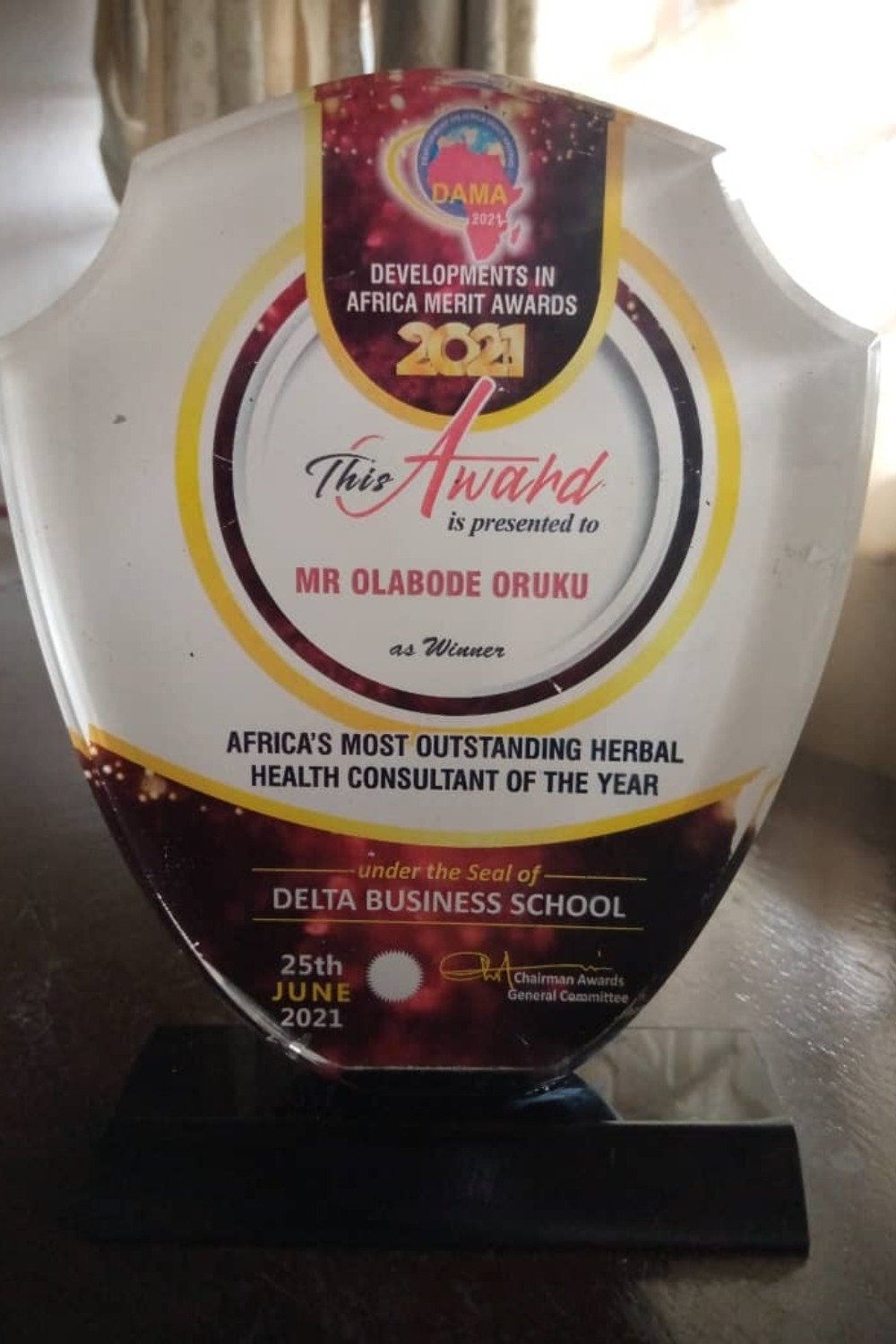
Africa's Most Outstanding Herbal Health Consultant of the Year 2021


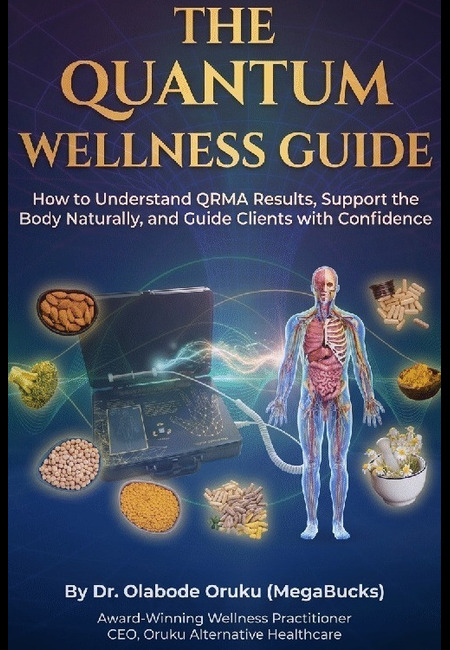

Download the FREE First Module
